Painting carbon fiber components requires specialized techniques to ensure adhesion durability and aesthetic consistency, given the material's non-porous surface and inherent chemical resistance. Unlike metals or plastics, carbon fiber's smooth, resin-rich surface and potential release agent residues demand meticulous preparation.
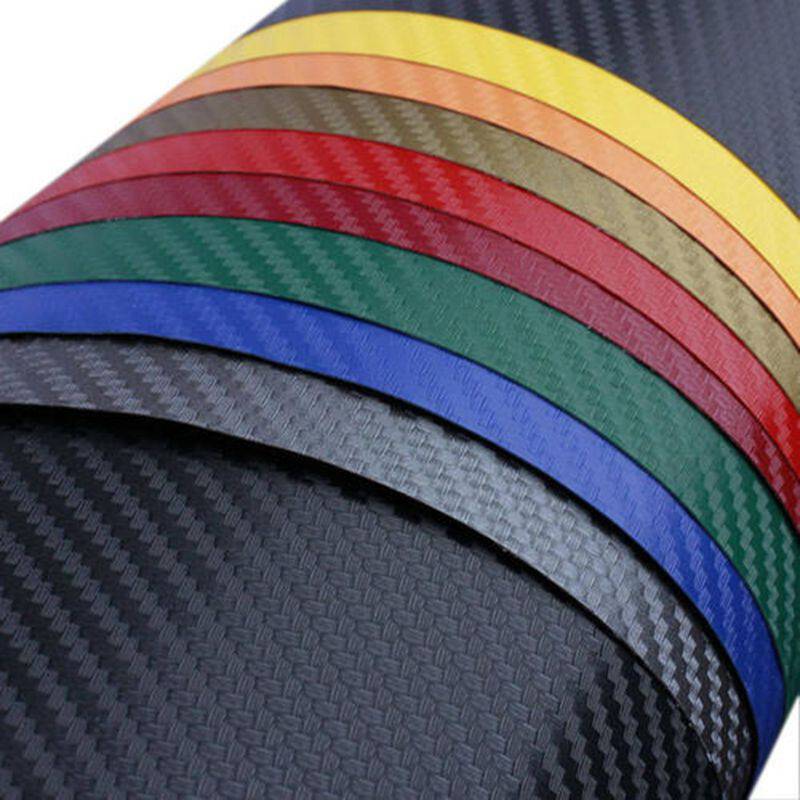
Pre-treatment begins with solvent cleaning using isopropyl alcohol or acetone to remove contaminants like silicone-based mold release agents. Abrasion follows, typically with 400–600 grit sandpaper, to create a micro-rough surface profile (Ra 1–3 μm) that enhances mechanical bonding. For industrial-grade applications, plasma or corona treatment may be employed to oxidize the surface, increasing its surface energy from 30–35 mN/m to 50–70 mN/m for improved wettability.
Primer selection is critical. Epoxy-based primers are preferred for their chemical compatibility with carbon fiber's epoxy matrix, while urethane primers offer flexibility for parts experiencing thermal cycling. Spraying should occur in controlled environments (20–25°C, 40–60% RH) to prevent moisture entrapment, which can cause fisheyes. Apply primer in thin, crosshatched coats (15–20 μm dry film thickness) to avoid obscuring the carbon weave pattern.
Topcoat application demands precision. Polyurethane paints dominate for their UV resistance, but require precise catalyst ratios (typically 4:1 base to hardener). Maintain a 20–30 cm nozzle distance during spraying to prevent orange peel texture. For matte finishes, incorporate flattening agents cautiously-excessive use (>5% by weight) can compromise chemical resistance.
Post-curing protocols vary: thermally cured paints (e.g., epoxy) need gradual ramping (2°C/min) to 80–100°C to prevent matrix distortion, while ambient-cured systems require 48-hour dust-free settling. Always conduct crosshatch adhesion tests (ASTM D3359) and gloss measurements (60° geometry) before final approval.
Remember: Carbon fiber's anisotropic thermal expansion can cause differential stress at paint interfaces-conduct thermal cycling tests (-40°C to +85°C) for mission-critical components. Avoid metallic flake pigments, which may create galvanic corrosion pathways with carbon fibers. By respecting these nuances, painted carbon fiber achieves both performance and visual excellence.