The future surge in the production capacity of thermoplastic carbon fiber will benefit which industries?
The development of the materials industry has a history of over a hundred years, during which new materials characterized by lightweight, high strength, and rigidity have emerged and gained popularity in various fields and industries. This includes earlier materials like fiberglass, as well as today's carbon fiber and aramid fiber. These high-performance fibers can be combined with different matrix materials to create composite materials that are more stable in shape, possess better performance, and offer more efficient processing. This article discusses the currently popular thermoplastic carbon fiber composites. However, as of now, the global production capacity for this type of composite material remains scarce. To achieve diversified applications, enhancing technological levels and production capacity is an urgent issue that needs to be addressed. Assuming future breakthroughs in technological bottlenecks occur, which industries would benefit from a surge in the production capacity of thermoplastic carbon fiber composites?
The Significance and Limitations of Thermoplastic Carbon Fiber Composites
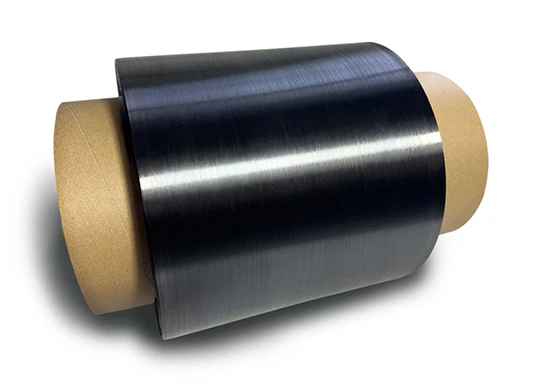
Thermoplastic carbon fiber composites are often compared with thermosetting carbon fiber composites, fiberglass composites, and aramid fiber composites. Some studies suggest that thermosetting carbon fiber composites exhibit higher stiffness, while aramid fiber composites offer better toughness. However, certain thermoplastic carbon fiber composites outperform their thermosetting counterparts in terms of performance, such as continuous carbon fiber-reinforced polyether ether ketone (CF/PEEK) composites. In fact, the advantages of thermoplastic carbon fibers extend beyond mechanical properties; they also demonstrate benefits in aspects such as preparation, processing, and recycling.
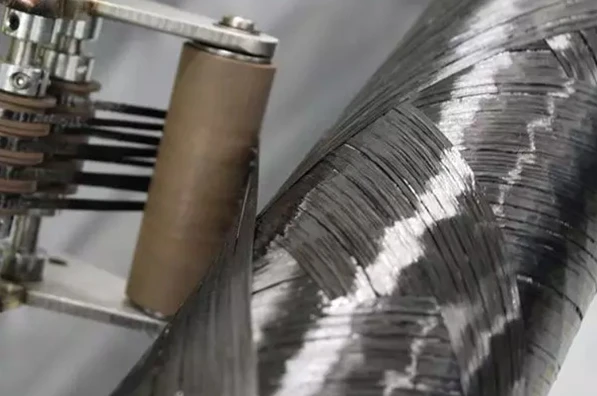
Due to the rapid processing and recyclability of thermoplastic materials, fiber-reinforced thermoplastic composites are increasingly used in the aerospace, automotive, construction, and chemical industries. The ability to melt thermoplastic materials and their fiber-reinforced composites allows for the remanufacturing of components into new products, which is a significant advantage compared to thermosetting polymers and their fiber-reinforced composites. However, due to the poor interfacial adhesion between carbon fibers and the thermoplastic matrix, various surface treatments, such as chemical, plasma, and electrochemical methods, have been employed to introduce surface functional groups and improve interfacial bonding. Through manufacturing processes like injection molding, compression molding, and extrusion, carbon fiber-reinforced thermoplastic composites have been produced into various lightweight components that exhibit high impact resistance, reparability, and recyclability.
While thermoplastic carbon fiber composites and their corresponding components inherently possess advantages, they also have certain limitations, such as low tensile strain in unidirectional carbon fiber tapes and the negative impact of residual solvents on final performance. Hybrid thin layers, angles, and corrugated layer structures have been used to extend the tensile failure strain, among other approaches. Before the technology matures, the widespread application of thermoplastic carbon fiber composites will require substantial research and experimentation.
What are the promising application directions for thermoplastic carbon fibers at present?
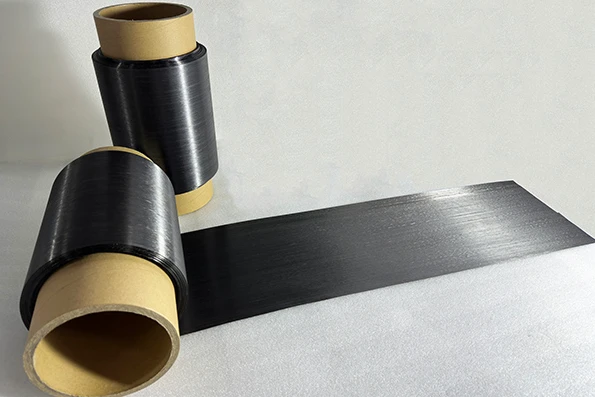
Research on thermoplastic carbon fiber composites has been ongoing, but it currently faces bottlenecks. The high-temperature molten state of thermoplastic resins cannot efficiently wet carbon fiber bundles, leading to uneven distribution within the prepared thermoplastic carbon fiber prepregs and significantly reducing performance levels. Additionally, the subsequent processing of thermoplastic carbon fiber prepregs also encounters various challenges. Only by addressing these issues can more industries benefit from these materials.
1.Aerospace: The use of carbon fiber composites in aircraft began with auxiliary structures such as ailerons, trim tabs, and rudders. Carbon fiber reinforced plastics (CFRP) exhibit excellent mechanical properties, including high strength-to-weight ratios and high stiffness-to-weight ratios. With advancements in technology, the performance of fibers and matrices has significantly improved, enhancing the performance of laminates and enabling these materials to be used in major aircraft structures like fuselages, vertical stabilizers, tailboxes, and wings, replacing traditional lightweight metal alloys. Thermoplastic carbon fibers can replace some thermosetting carbon fibers, providing better performance for these components.
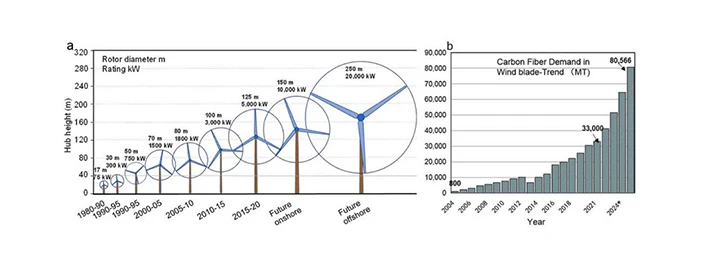
2.Wind Power: According to the Global Wind Energy Council, the total installed capacity of wind power worldwide reached approximately 743 gigawatts in 2020, with an increase of 53% in newly installed wind power capacity, totaling 93 gigawatts. In wind turbine blades, carbon fiber has a distinct advantage over fiberglass, offering higher specific tensile modulus, higher specific tensile strength, and better fatigue resistance. The consumption of carbon fiber in wind turbine structures has increased from about 800 tons in 2004 to over 30 tons in 2021, and it is expected to exceed 81 tons by 2025. Thermoplastic carbon fiber composites can also be widely applied in the growing wind energy equipment sector.
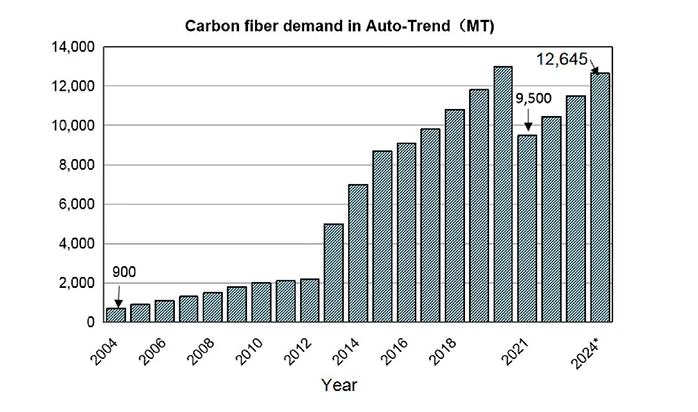
3.Automotive Manufacturing: Over the past decade, stricter global automotive emission standards and the rapid growth of electric vehicles have driven the industry to reintroduce carbon fiber to reduce weight. The use of lightweight materials like CFRP composites in automotive structures is the most direct method for achieving weight reduction. Carbon fiber consumption saw a significant increase in 2013, with a continuing upward trend. In 2021, the demand for carbon fiber was 9.5 tons, and it is expected to exceed 12.6 tons by 2024. China is the largest manufacturing hub for electric vehicles and also the largest end market. The application of thermoplastic carbon fiber in automobiles can provide stronger acceleration performance while also offering better safety protection.
4.Pressure Vessels: High-pressure gas storage containers are one of the largest and fastest-growing markets for advanced composites, particularly filament-wound carbon fiber composites. Due to the excellent fatigue resistance of carbon fiber composites, the service life of Type III and Type IV CFRP composite pressure vessels can reach up to 30 years. The Type V all-carbon fiber composite linerless tank was first manufactured in 2012 for storing argon in satellite components. One application of thermoplastic carbon fiber composite unidirectional tapes is the production of pressure vessels, which hold great market potential for future storage of high-pressure hydrogen, argon, and other gases.
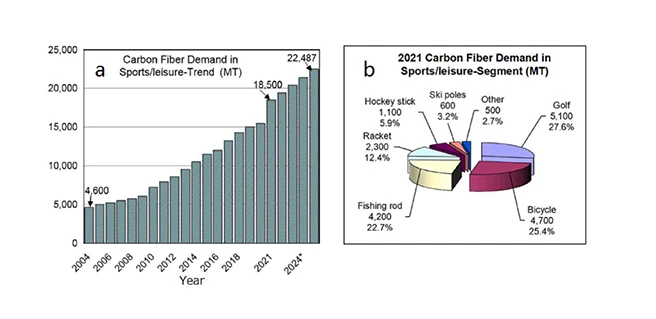
5.Sports: Key products made from carbon fiber include golf clubs, fishing rods, and tennis rackets. Since 2010, the use of carbon fiber in sports and leisure equipment has shown a steady growth trend. In 2021, the quantity of carbon fiber used in sports reached an impressive 18.5 tons. Golf clubs and bicycles represent the largest consumption areas for carbon fiber, accounting for 27.6% and 25.4% of total consumption, respectively. Sports goods made from thermoplastic carbon fiber composites are expected to push competitive sports to new limits, while improvements in production capacity will continue to lower the prices of these sports goods, making them more accessible in everyday life.
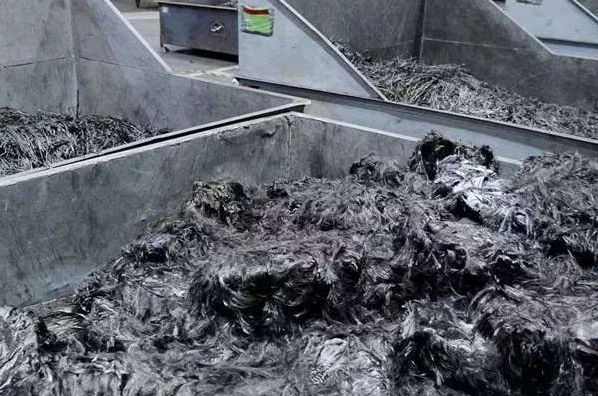
The recycling of discarded carbon fiber products is urgent, and the implementation process needs improvement.
The increase in production capacity of thermoplastic carbon fiber composites can indeed drive rapid development in the carbon fiber industry and promote advancements in aerospace, wind energy, automotive manufacturing, pressure vessels, and other sectors. However, it will also face a significant challenge: how to efficiently recycle damaged or discarded thermoplastic carbon fiber products. With the current low production capacity of thermoplastic carbon fiber composites and products, it is projected that by 2025, the manufacturing process could generate 20,000 tons of waste and scrap parts annually. If production capacity significantly increases in the future, the volume of this waste will also rise substantially.
From raw materials to finished products, the composite manufacturing process generates a large amount of waste, including dry fibers/fabrics, cured or uncured prepregs, trimmings, test specimens, and unapproved products. The average scrap rate for carbon fiber composite production is approximately 32.4%. Depending on the manufacturing processes or application fields, traditional manufacturing methods such as autoclave processes in aerospace have scrap rates exceeding 50%, while handcrafted production in sports goods has scrap rates ranging from 4% to 8%. For more modern composite manufacturing processes, the scrap rates are between 30% and 50% for molding and composite processes, 5% to 10% for pultrusion processes, and 2% to 3% for filament winding processes.