Thermosetting VS Thermoplastic Carbon Fiber Materials
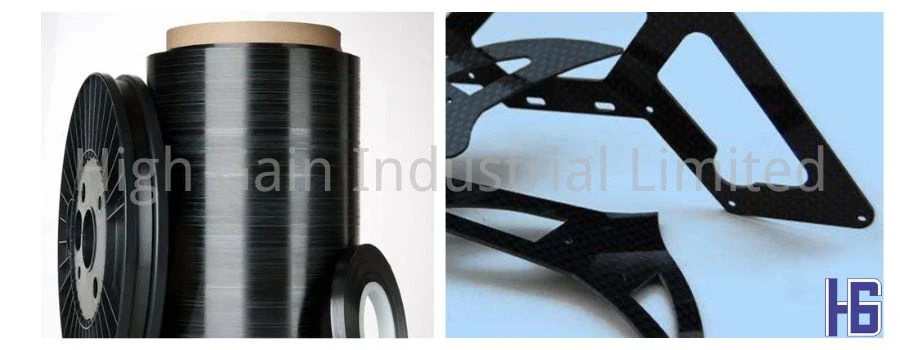
Carbon fiber is a popular material that is used in various industries because of its unique properties. It is lightweight, strong, and provides excellent thermal and electrical conductivity. Carbon fiber is available in two types of matrix materials, thermosetting and thermoplastic. Both materials have their own advantages and disadvantages, making it essential to understand their differences before choosing the one for a specific application.
Thermosetting Carbon Fiber Materials
Thermosetting carbon fiber materials are polymers that are cured using heat. They become stiff and durable once cured, and their properties cannot be altered without melting them. Thermosetting carbon fiber materials are commonly used in high-performance applications, where strength and durability are critical. Some of the popular thermosetting carbon fiber materials include epoxy, phenolic, and polyester.
Epoxy is the most widely used thermosetting carbon fiber material. It has high-strength characteristics, is resistant to water and chemicals, and has low shrinkage properties. Phenolic is a type of thermosetting carbon fiber material that is known for its high-temperature resistance. It is commonly used in applications where elevated temperatures are prevalent, such as aircraft components and rocket nozzles. Polyester is a less expensive and less durable thermosetting carbon fiber material compared to epoxy and phenolic. It is commonly used in low-stress applications that require a low-cost solution.
Thermoplastic Carbon Fiber Materials
Thermoplastic carbon fiber materials are polymers that can be melted and reshaped multiple times without being destroyed. They are easy to manipulate, and their properties can be altered without requiring them to be cured. Thermoplastic carbon fiber materials have several advantages over thermosetting carbon fiber materials. They are recyclable, have good toughness, and are resistant to impact. The popular thermoplastic carbon fiber materials include polyamide (PA), polyetherimide (PEI), and polypropylene (PP).
Polyamide is a thermoplastic carbon fiber material that is highly resistant to wear and tear. It is commonly used in the automotive industry, where parts need to withstand significant stress. Polyetherimide is a thermoplastic carbon fiber material that has excellent thermal and chemical resistance. It is commonly used in the aviation industry, where high-temperature resistance is required. Polypropylene is a less expensive and lightweight thermoplastic carbon fiber material. It is commonly used in low-stress applications that require a low-cost solution.
Conclusion
Both thermosetting and thermoplastic carbon fiber materials have their pros and cons. Thermosetting carbon fiber materials provide exceptional strength and durability, making them suitable for high-performance applications. In contrast, thermoplastic carbon fiber materials are more flexible and recyclable, making them perfect for applications that require good toughness and impact resistance. Ultimately, the choice between thermosetting and thermoplastic carbon fiber materials will depend on the specific application requirements.
High Gain offers both the thermosetting and thermoplastic materials, from production facilities, materials to final products. Contact us for more details!