Three Reasons to Choose Carbon Fiber Composites
Since the late last century, carbon fiber has become one of the key terms in advanced material applications. In practical applications, carbon fiber is often combined with matrix materials such as resins to form carbon fiber composites, which have been utilized in various fields. In this article, we will explore the advantages of carbon fiber composites.
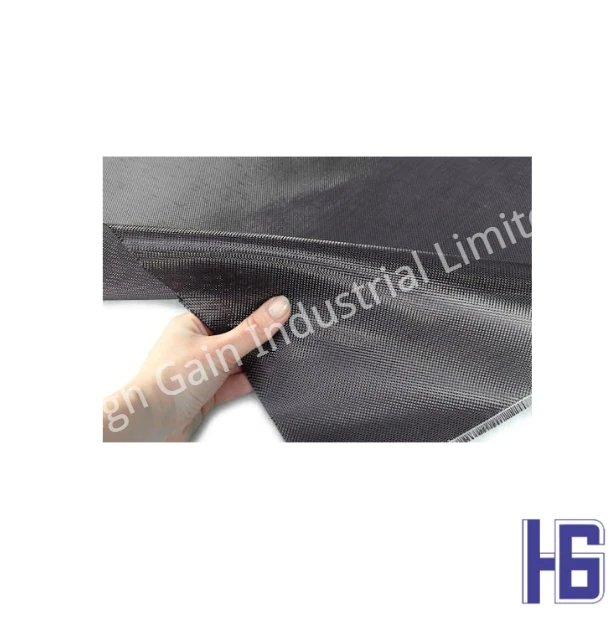
1.Lightweight and High Strength: The most well-known advantage of carbon fiber materials is their lightweight and high strength. The density of carbon fiber material is only 1.7 g/m³, which is 60% that of aluminum alloys and less than 14% that of steel. This property contributes to lightweight structural designs and makes it widely used in weight-reducing components. Additionally, the mechanical properties of carbon fiber are exceptional; its tensile strength is several times that of steel, and its specific strength and specific modulus are superior to existing structural materials. It also boasts outstanding bending strength and shear strength, effectively meeting usage requirements.
2.Chemical Properties: The main difference between carbon fiber and metal materials is that carbon fiber is a non-metallic material. As a result, carbon fiber has low electrochemical activity, exhibiting remarkable corrosion resistance and aging resistance, making it suitable for various working environments. This quality extends the lifespan of carbon fiber products.
3.Thermal Properties: The production of carbon fiber requires high-temperature carbonization and graphitization processes, which demand extremely high temperatures. Therefore, carbon fiber itself can withstand very high working temperatures. However, carbon fiber is typically combined with resin to form carbon fiber composites, which generally have a working temperature of around 150°C. Currently, thermoplastic carbon fiber materials can achieve even higher working temperatures. Carbon fiber materials also have a low coefficient of thermal expansion, ensuring that they do not deform due to changes in working temperature, thus guaranteeing dimensional stability.