Products Description
One of the most significant advantages of carbon fiber helmets is their excellent lightweight characteristics. The density of carbon fiber material is only about 1.6g/cm³, which is much lower than traditional helmet materials such as ABS plastic (1.05-1.07g/cm³) and fiberglass (1.8-2.0g/cm³). This low density allows carbon fiber helmets to be 30%-50% lighter while maintaining the same protective performance.

The lightweight design brings multiple benefits to users. First, it reduces the burden on the neck and reduces fatigue caused by long-term wearing. Second, in high-speed sports or emergency situations, lighter helmets can reduce the impact of inertia and improve the user's reaction speed and flexibility. In addition, lightweight helmets are also easier to carry and store, which improves the convenience of use.
High strength and impact resistance
Carbon fiber materials have an extremely high strength-to-weight ratio, and their tensile strength can reach more than 3500MPa, which is 5-7 times that of ordinary steel. This high-strength property enables carbon fiber helmets to withstand greater impact forces and provide more reliable protection for the head. At the same time, the elastic modulus of carbon fiber is as high as 230GPa, which ensures that the helmet can effectively disperse stress and reduce local stress concentration when it is impacted.
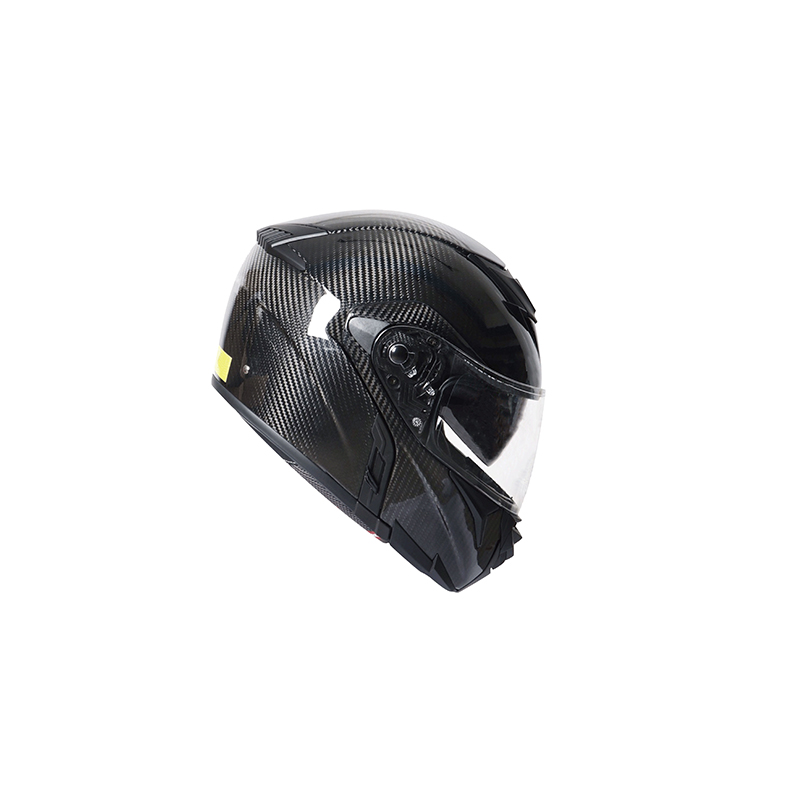
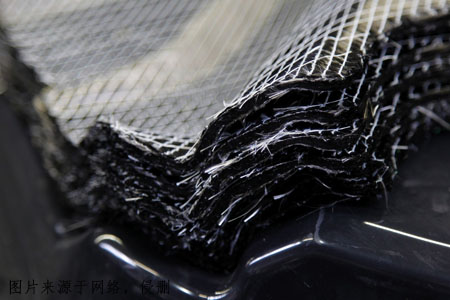
In terms of impact resistance, carbon fiber helmets perform well. Its unique fiber weaving structure and resin matrix can effectively absorb and disperse impact energy. Studies have shown that under the same impact conditions, the energy absorption efficiency of carbon fiber helmets is 20%-30% higher than that of traditional materials. This excellent impact resistance is particularly important in high-risk activities such as motorcycle riding and cycling, and can significantly reduce the risk of head injuries.
High temperature and corrosion resistance
Carbon fiber material has excellent high temperature resistance, and its thermal decomposition temperature is as high as 400℃ or above. This feature enables carbon fiber helmets to maintain structural stability and mechanical properties in high temperature environments, providing continuous and reliable protection for users. For example, in hot summer or long-term exposure to the sun, carbon fiber helmets will not show obvious deformation or performance degradation.

Carbon fiber also has excellent corrosion resistance. It can resist the influence of moisture, salt spray, chemicals and ultraviolet rays, and will not rust or corrode as easily as metal materials. This corrosion resistance not only extends the service life of the helmet, but also ensures the performance stability of the helmet in various harsh environments. This feature is particularly important for people who often use helmets outdoors or in special environments.
Breathability and comfort
Modern carbon fiber helmets are designed with the user's comfort needs in mind. By optimizing the ventilation system design, carbon fiber helmets can provide good breathability and effectively regulate internal temperature and humidity. Typical carbon fiber helmets are equipped with multiple air inlets and exhaust ports to form an effective air circulation channel to keep the head dry and comfortable.
In terms of comfort, carbon fiber helmets are usually equipped with high-quality lining and cushioning materials. These materials are not only soft and comfortable, but also effectively absorb sweat and reduce pressure on the head. In addition, the plasticity of carbon fiber materials allows the helmet to better fit the head shape of different users and provide a personalized wearing experience. Some high-end carbon fiber helmets also use an adjustable lining system to further improve the wearing comfort and adaptability.
Design aesthetics
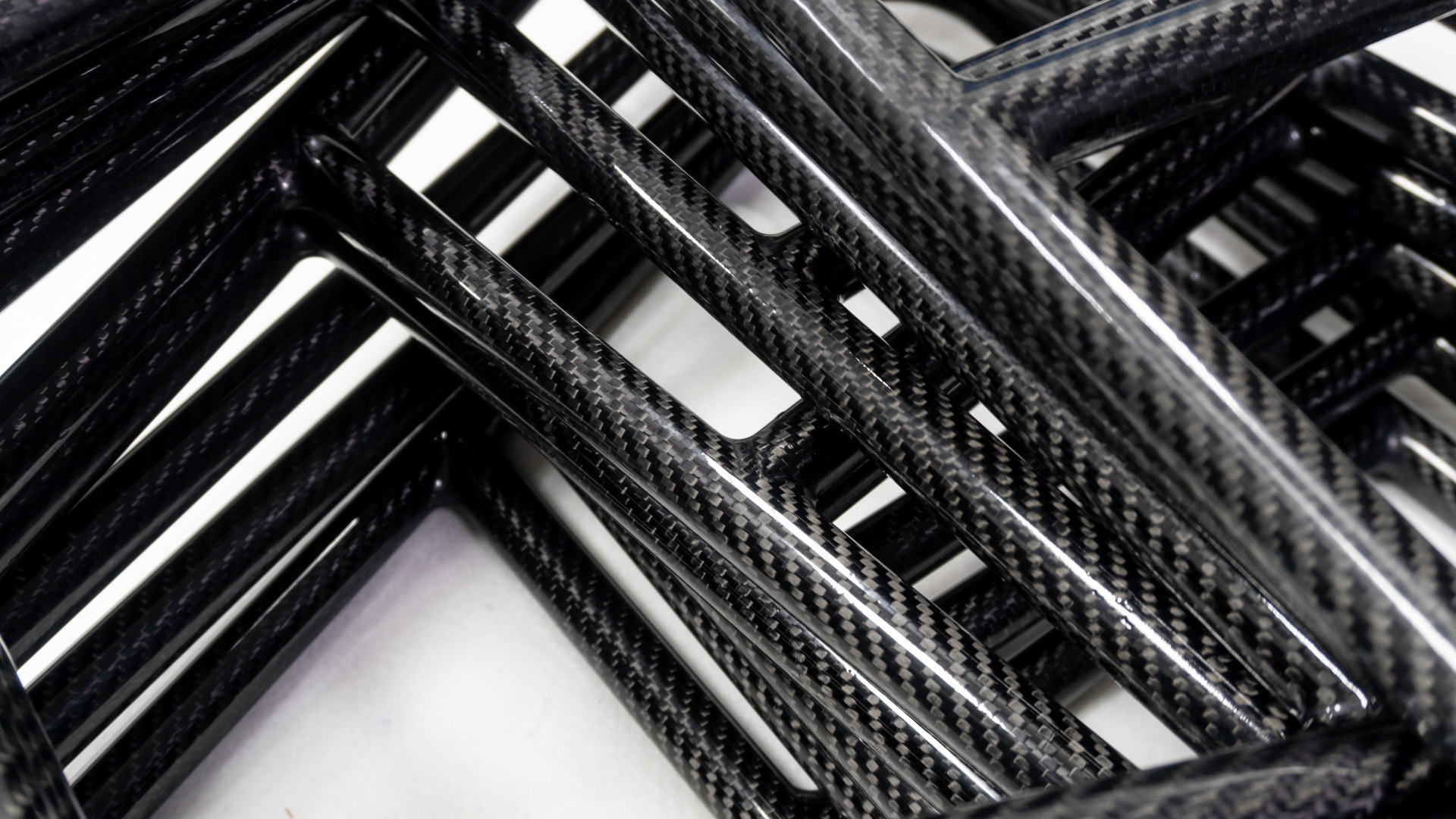
The unique texture and sheen of carbon fiber materials give helmets a high-end, stylish look. The carbon fiber weave pattern is not only beautiful, but can also be customized according to design requirements to meet the aesthetic preferences of different consumers. This aesthetic makes carbon fiber helmets not only a protective equipment, but also a fashion accessory.
In terms of design flexibility, the plasticity of carbon fiber materials allows helmet manufacturers to achieve more complex and aerodynamic appearance designs. This not only improves the performance of the helmet, but also enhances its visual appeal. In addition, carbon fiber helmets usually have more sophisticated surface treatment processes, such as high-gloss coating or matte effects, which further enhances the overall texture of the product.