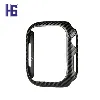
In the realm of advanced materials, aramid fiber stands out as a remarkable synthetic fiber that has revolutionized various industries with its unique combination of properties. Renowned for its exceptional strength, heat resistance, and versatility, aramid fiber has become an indispensable material in modern manufacturing and technological applications.
The Exceptional Properties of Aramid Fiber
Aramid fiber is celebrated for its high tensile strength, which exceeds that of steel by 5-6 times, coupled with a modulus 2-3 times greater than steel or glass fiber. This impressive strength-to-weight ratio allows aramid fiber to maintain its shape and integrity even under extreme stress, making it an ideal choice for applications where robustness is paramount.
Beyond its mechanical strength, aramid fiber exhibits outstanding thermal stability. It can operate effectively at temperatures as high as 200°C and resists decomposition or melting up to 560°C. This heat resistance, combined with its superior chemical resistance against acids, bases, and corrosive substances, ensures that aramid fiber remains durable in the harshest environments.
The fiber's low density, being approximately 1/5 that of steel, contributes to its lightweight nature, which is advantageous in weight-sensitive applications. Additionally, aramid fiber offers excellent electrical insulation, inherent flame retardancy, and resistance to aging, further enhancing its appeal across different sectors.

Applications Across Industries
The aerospace industry has embraced aramid fiber for manufacturing aircraft and spacecraft components such as fuselages, wings, and tails. By incorporating aramid fiber, these structures achieve significant weight reduction without compromising strength, leading to enhanced fuel efficiency and performance.
In the defense and military sector, aramid fiber is a critical component in personal protective equipment like bulletproof vests, helmets, and cut-resistant gloves. Its ability to absorb and dissipate energy makes it highly effective in protecting personnel from ballistic and stab threats.
The automotive industry utilizes aramid fiber in manufacturing engine components, braking systems, and tire cords. These applications benefit from the fiber's strength and lightweight properties, resulting in improved vehicle performance, safety, and fuel efficiency.
Aramid fiber's flexibility and conductivity make it suitable for use in flexible circuits and electronic sensors within the electronics and electrical sectors. Its ability to maintain performance in harsh conditions also lends itself to applications in high-temperature filters, valve packs, and sealing gaskets in industrial manufacturing.
Safety and protection gear, such as cut-resistant gloves and fire-resistant suits, rely on aramid fiber to provide essential protection in hazardous environments. Meanwhile, in the sports and leisure industry, aramid fiber enhances the performance and durability of equipment like bicycles, golf clubs, and skis.
Looking Ahead
As technology continues to advance and new applications emerge, the importance of aramid fiber in modern manufacturing and innovation is set to grow. Its unique blend of high strength, heat resistance, chemical resistance, and lightweight properties positions aramid fiber as a material of choice for addressing the challenges of tomorrow.