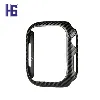
In modern industrial product design, enclosures have long evolved beyond mere protective "covers." They not only safeguard internal components but also critically impact overall weight, operational efficiency, environmental adaptability, and brand identity. With the maturation of carbon fiber composite technology, a new enclosure solution is emerging: carbon fiber enclosures. Gradually replacing traditional metals, they are becoming indispensable in high-end equipment manufacturing.
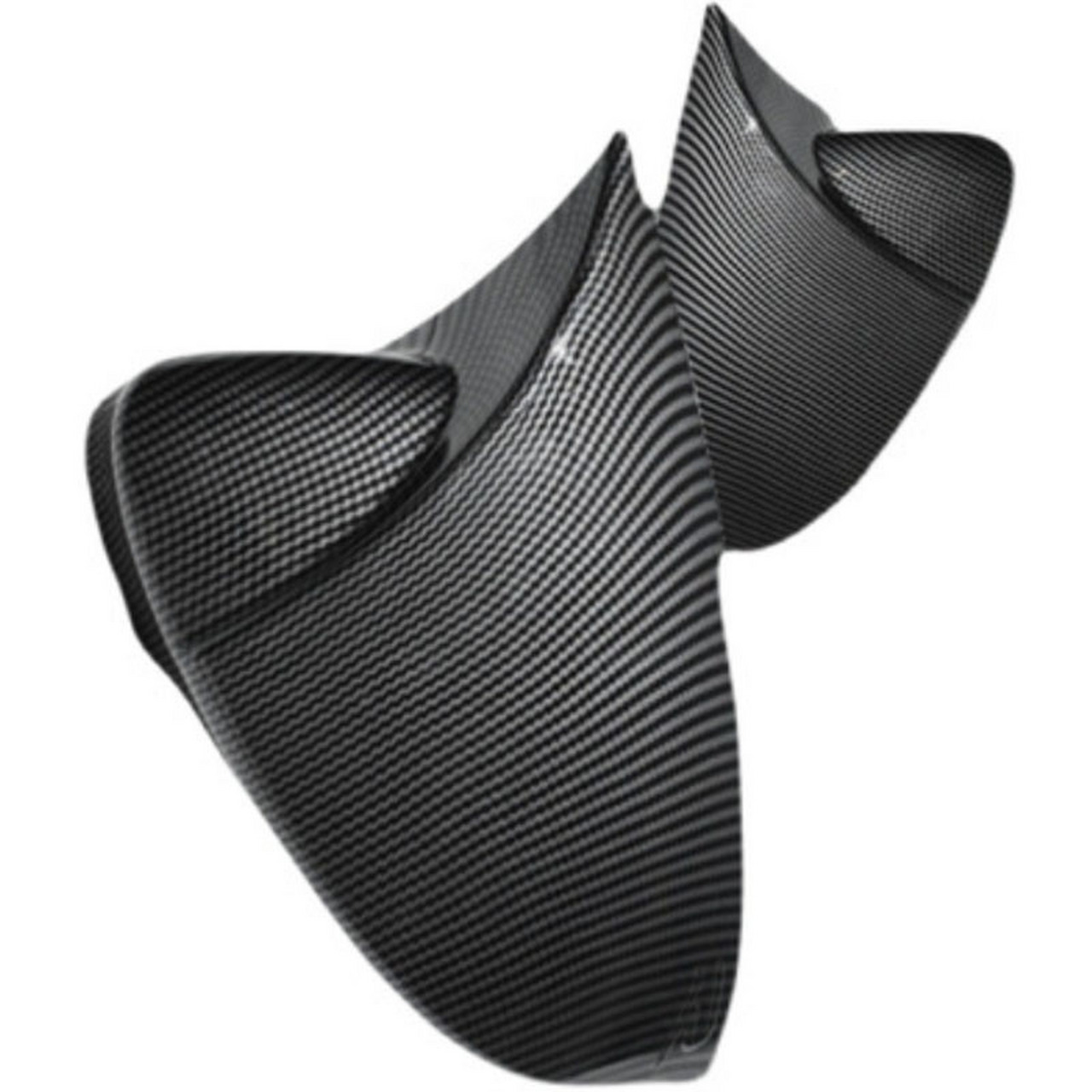
The Need for Carbon Fiber Enclosures
Traditional metal enclosures (e.g., aluminum, steel) offer good machinability and low cost but fall short in high-performance, high-reliability scenarios:
Excessive weight: High metal density increases overall equipment weight, impairing mobility, energy efficiency, and handling.
High thermal expansion: Frequent or extreme temperature changes cause deformation, compromising sealing and structural stability.
Limited fatigue resistance: Long-term vibration or impact leads to cracks, reducing lifespan.
Poor corrosion resistance: Prone to rust and oxidation in humid or acidic/alkaline environments, raising maintenance costs.
These issues are particularly acute in aerospace, robotics, specialized equipment, and electric vehicles, demanding lighter, stronger, and more stable alternatives.
Carbon Fiber Enclosures: An Evolution, Not a Replacement
Carbon fiber-reinforced composites bring transformative physical and chemical properties to enclosure design. Comprising carbon fibers in a resin matrix, these enclosures retain core protective functions while delivering unprecedented performance upgrades.
Ultralight Weight, Enhanced Efficiency
With a density of just 1.5–1.6 g/cm³-far below aluminum (2.7 g/cm³) and steel (7.8 g/cm³)-carbon fiber enclosures reduce weight by over 40% at equal strength. For drones, service robots, or EVs reliant on endurance, this weight savings optimizes energy efficiency and system-wide performance.
Exceptional Rigidity and Dimensional Stability
Carbon fiber's high specific modulus (elastic modulus ≥240 GPa) grants enclosures superior resistance to bending and torsion. Even under high-speed motion or complex vibrations, structural integrity remains uncompromised, preventing functional failures.
Superior Weather Resistance
Virtually rust-proof and corrosion-resistant, carbon fiber withstands extreme temperatures, humidity, and chemical exposure. This makes it ideal for enclosures in outdoor operations, chemical processing, marine exploration, and other demanding environments.
Natural Vibration Damping
Unlike metals, carbon fiber inherently absorbs vibrations, enhancing operational smoothness while suppressing resonance and noise pollution-elevating user experience.
Integrated Design Simplifies Assembly
Using single-step molding, carbon fiber enclosures consolidate functional elements (mounting holes, rail slots, heat dissipation channels), reducing part counts, streamlining assembly, and improving structural coherence and aesthetics.

Domestic Innovation Driving Adoption
Carbon fiber enclosures now serve diverse sectors with robust adaptability and commercial value. Examples include inspection robots, collaborative robots, and exoskeletons in robotics; EV battery housings and sensor compartments in automotive; and satellite covers, drone fuselages, and radar domes in aerospace.
Specializing in R&D and manufacturing of carbon fiber composite structures, High Gain offers full-process capabilities-from mold design and prepreg layup to molding and post-processing. Its enclosure portfolio serves robotics, drones, electronics, and more, delivering customized solutions for industry leaders. Through consistent quality and efficient delivery, High Gain propels domestic carbon fiber products toward high-end industrial applications, injecting momentum into smart manufacturing.
No longer confined to aerospace, carbon fiber enclosures-with lightweight strength and stability at their core-are penetrating broader industrial landscapes. As the new standard for high-performance materials, they redefine enclosure design logic while driving structural optimization and efficiency across manufacturing.