Bamboo charcoal fiber is made of bamboo as raw material, and the micropores of bamboo are made finer under pure oxygen (Oxygen) and high-temperature conditions and then spun. It is environmentally friendly and healthy, and is known as "black diamond"; while carbon (C) fiber is made of chemical fibers with high carbon content such as polyacrylonitrile fiber, asphalt (ingredients: asphaltene and resin) fiber, viscose-based fiber, etc., and carbonized at high temperature. It has excellent performance and is used in many industries.
Carbon fiber products refer to materials that use carbon fiber prepreg as raw material and are processed into products that can meet the requirements of use through different processing methods. Although carbon fiber is a chemical fiber, it is not harmful to the human body. The performance of carbon fiber is comparable to that of metal, with high strength, lightweight, strong toughness, large tensile modulus, and resistance to chemical corrosion. The most common carbon fiber products are carbon fiber plates, carbon fiber cloths, etc., which can be used in building reinforcement, industrial manufacturing, medical machinery and equipment, military security, and other fields.
Bamboo charcoal fiber has good softness, hygroscopicity, antibacterial, and environmental protection. After being woven into cloth, it feels soft, delicate, and elastic, and has very good toughness and strength, which is much better than cotton and silk. Bamboo charcoal fiber fabrics are very popular now. They are refreshing and breathable in summer. They can eliminate excess heat in the body in spring and autumn. They are comfortable and healthy. The antibacterial rate reaches 94.5%, which can inhibit mites and prevent odo
How to distinguish bamboo charcoal fiberboard from carbon fiberboard?
1. Visual identification:
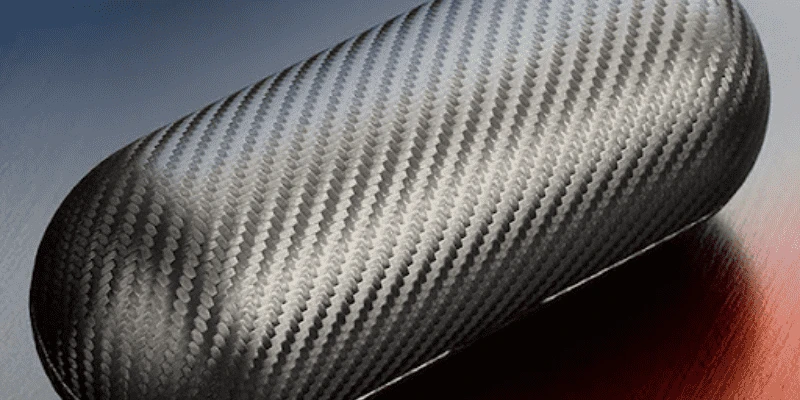
The carbon fiber board is made of carbon fiber prepreg, containing a large amount of carbon fiber tow and resin components. The surface effect is smooth and transparent, even matte, the difference is very obvious. There are also textures on the surface of the carbon fiber board, plain and twill are visible, and the three-dimensional sense is strong. This is something that fake carbon fiber boards with water transfer and baking paint cannot do.
2. Detailed observation:
Observe the cross-sections at both ends of the board to see if there are carbon fiber tows and black resin components. You can distinguish them well by careful observation. You can also knock on the carbon fiber board and judge by the sound.
3. Scrape the surface:
You can use your fingernails or props to scratch the surface of the board. Carbon fiberboard may leave slight scratches, while bamboo charcoal fiberboard will be more damaged. Scrape the cross-section of the carbon fiber board and scrape off the powder to see if there is any other color substance, such as white. If so, it is not a carbon fiber board.