Will hydrogen power+thermoplastic carbon fiber+drones be a trend?
In December of this year, Morocco's HevenDrones company launched the H2D200 series, a hydrogen-powered drone made from carbon fiber, utilizing hydrogen as its energy source and carbon fiber for its airframe. This type of drone can carry a payload of 4.5 kilograms, has a flight range of 510 kilometers, and can operate for up to 4 hours. Commonly used drones are typically made from materials such as aluminum, titanium, and carbon fiber, with conventional power sources being fuel or electricity; using hydrogen as a power source is quite rare. So, will the combination of hydrogen power, thermoplastic carbon fiber, and drones be the development trend for future small aircraft?
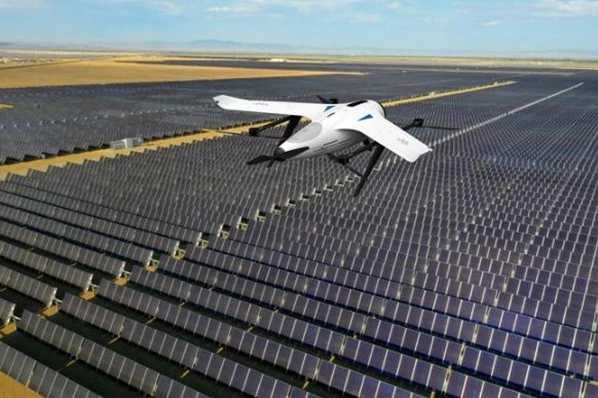
Thermoplastic carbon fiber can be applied in the production of drones.
First, we need to discuss one aspect of carbon fiber drones. Currently, mainstream carbon fiber drones are primarily made from thermosetting carbon fiber composites, with a common combination being carbon fiber and epoxy resin. This type of carbon fiber composite is relatively easy to manufacture and can be produced in large quantities, while also exhibiting strong overall performance. Thermoplastic carbon fiber is likely to serve as an upgrade to thermosetting carbon fiber in the future, enabling more comprehensive applications across various fields, and many organizations and companies both domestically and internationally are eager to explore its potential. Theoretically, thermoplastic carbon fiber can indeed be utilized in the manufacturing of drones, and there have already been some attempts and achievements in this area.
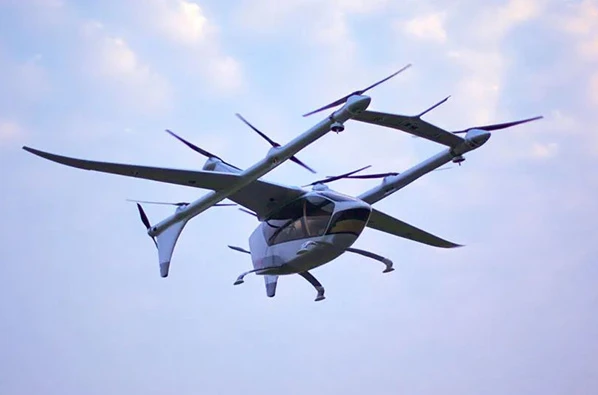
Advantages of Thermoplastic Carbon Fiber Drones:
1.Lightweight Structure: Thermoplastic carbon fiber composites also have a low density, providing a lightweight advantage when producing medium to large drones.
2.High Strength and Modulus: Some thermoplastic carbon fibers exhibit extremely high tensile strength and modulus, ensuring greater stability for the drone during flight.
3.Durability: Thermoplastic carbon fiber composites have better impact resistance, helping to withstand the pressures and strains encountered during flight while reducing vibrations.
4.Ease of Design: Thermoplastic materials offer design flexibility, allowing for integrated and intelligent processing, making it easier to mold complex shapes.
5.Efficient Processing: Thermoplastic plastics can be shaped using various techniques, such as injection molding or thermoforming, and also support reprocessing, welding, and other manufacturing methods.
6.Recyclability: Unlike thermosetting carbon fibers, thermoplastic carbon fibers can be melted and reshaped, facilitating the convenient recycling of carbon fiber raw materials and providing high environmental benefits.

Will thermoplastic carbon fiber drive up the price of drones?
When comparing thermoplastic and thermosetting carbon fiber composites purely in terms of cost, the former is several times more expensive than the latter. Currently, there are not many companies globally that can mass-produce continuous carbon fiber reinforced thermoplastic composites, and their production capacity is relatively limited compared to thermosetting carbon fibers. However, the exceptional mechanical properties and reprocessability of thermoplastic carbon fibers confer high utility value, which in turn drives up the overall price of thermoplastic carbon fiber composites. At this stage, replacing thermosetting carbon fiber with thermoplastic carbon fiber to manufacture carbon fiber drones would result in a significant increase in costs.
Nonetheless, when producing thermoplastic carbon fiber drones, raw materials represent only a portion of the total costs. Other important factors also need to be considered, and it's essential to incorporate a time dimension to evaluate whether the development of thermoplastic carbon fiber drones is reasonable from a long-term perspective.
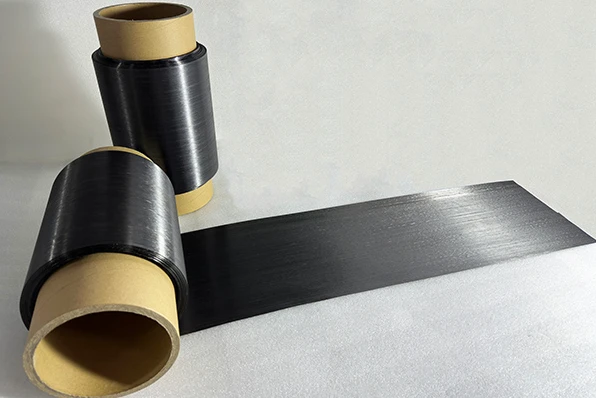
Factors Restricting the Price of Thermoplastic Carbon Fiber Drones:
1.Material Costs: Thermoplastic carbon fiber composites are more expensive and constitute a significant portion of the overall cost.
2.Manufacturing Processes: In the future, thermoplastic carbon fiber composites may achieve automated and intelligent production. While the initial investment in equipment is substantial, this can lead to a significant increase in production capacity, resulting in high upfront costs but potentially lower costs in the long term.
3.Design Complexity: The complexity of the drone's structure and shape determines the production cycle and difficulty, which in turn affects the cost.
4.Technological Advancements: Over time, advancements in materials and manufacturing technologies will likely reduce production costs and time.
5.Market Application: The market acceptance and effectiveness of thermoplastic carbon fiber drones will influence their cost and pricing.
As a product, thermoplastic carbon fiber drones possess commercial value and significance, and their production costs and prices are also influenced and constrained by market forces. In the future, a surge in the production capacity of thermoplastic carbon fiber composites, along with more mature processing equipment and technology, will undoubtedly lower their overall price.
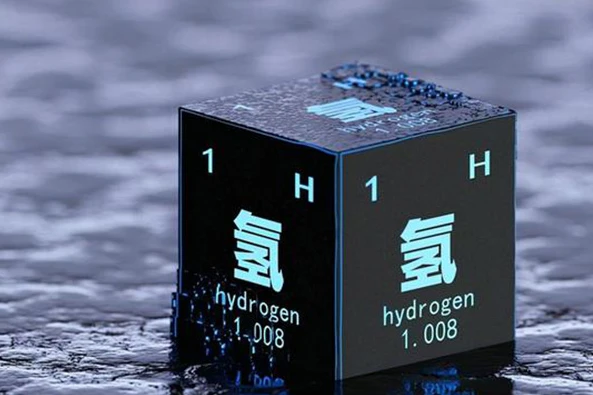
Will hydrogen power + thermoplastic carbon fiber + drones be a trend?
With the emergence of the H2D200 series hydrogen-powered carbon fiber drones, does this mean that the combination of hydrogen power, thermoplastic carbon fiber, and drones has significant potential to become a trend in the future development of drones? This question is difficult to answer at present. Research on hydrogen power has been ongoing, especially among some established Japanese companies, such as Honda and Suzuki, which have spent decades without arriving at a relatively mature hydrogen energy solution. Even Japan's relatively advanced automotive industry lacks reliable hydrogen energy solutions.
Hydrogen-powered thermoplastic carbon fiber drones indeed represent a promising direction, with the following potential advantages:
1.Zero Emissions: The only byproduct of hydrogen power is water vapor, making hydrogen-powered drones environmentally friendly, with zero greenhouse gas emissions during operation.
2.Longer Endurance: Hydrogen energy has a high energy density, potentially providing longer flight endurance compared to traditional energy sources.
3.Reduced Weight: Compared to conventional energy sources, hydrogen energy itself is lighter, which helps improve the overall performance of the drone.
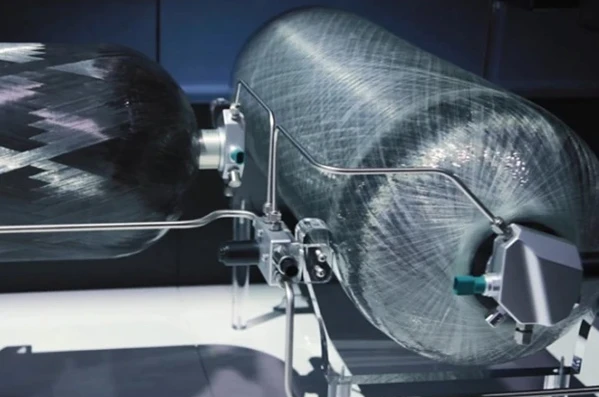
However, hydrogen-powered thermoplastic carbon fiber drones also face several challenges:
1.Safety: Hydrogen is highly flammable and explosive, necessitating the careful implementation of safety measures in the design and operation of hydrogen power systems.
2.Cost: The development and manufacturing costs associated with hydrogen storage infrastructure can be high, such as for hydrogen storage tanks and other related components.
3.Technological Maturity: The technology for hydrogen-powered drones is still evolving and has not yet reached a mature stage.
Currently, the concept of hydrogen power + thermoplastic carbon fiber + drones remains largely theoretical, with significant challenges to implementation. Furthermore, issues related to mass production and after-sales maintenance will also arise. At this stage, efforts should focus on how to efficiently, safely, and conveniently utilize hydrogen energy. Only by addressing these foundational issues can we more confidently apply this technology across various industries.