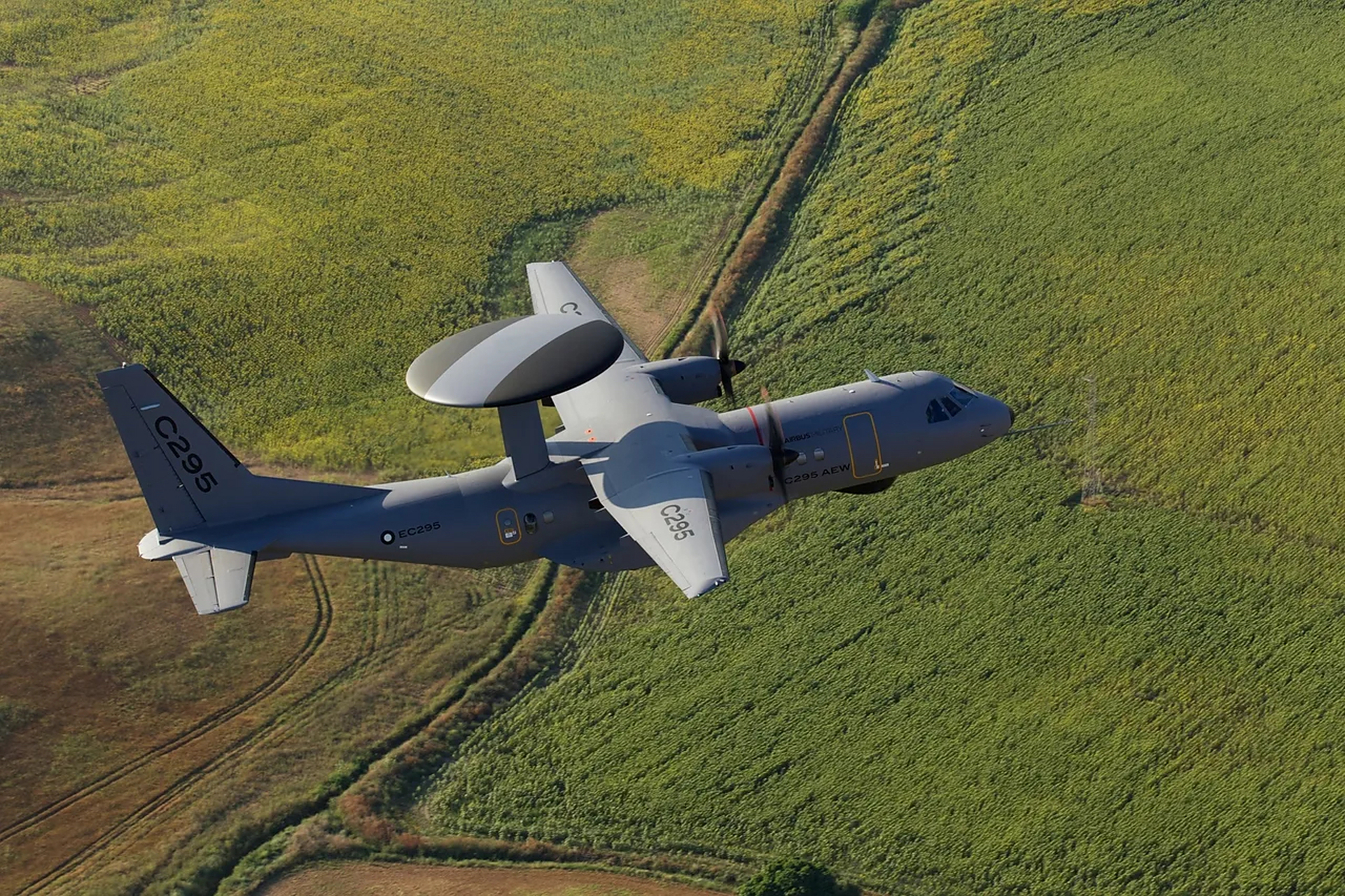
Amid the global push to combat climate change, the aviation industry is accelerating toward a sustainable future. Europe's Clean Aviation initiative recently announced that its Green Regional Aircraft (GRA) project core platform-the Airbus C295 Flight Test Bed 2-has successfully completed a series of flight and ground tests. This marks a key breakthrough in applying thermoplastic composites and out-of-autoclave manufacturing to large aerospace structures.
One standout achievement is an advanced-process wing box. Through highly integrated design, it combines two cutting-edge composite technologies: The lower skin employs liquid resin infusion to integrally mold spars, stringers, and primary structures, slashing part counts and assembly complexity. The upper skin innovatively uses automated fiber placement with in-situ consolidation to create thermoplastic panels with integrated stiffeners. This hybrid approach enhances structural integrity while reducing wing box weight by 5.6% and lowering manufacturing costs/energy consumption.
Additionally, the project validated an all-composite winglet with a monolithic multi-spar design. Weighing 20% less than conventional structures, it streamlines production by minimizing riveting. Although 12 multi-mission flights (17 cumulative hours) have verified the synergy of semi-morphing wings, dynamic winglets, and advanced flight control systems, critical components like the wing box and movable surface actuators continue undergoing structural ground tests to meet stringent airworthiness standards.
Led by Airbus Defence and Space, this decade-long project united over 60 institutions and companies from 12 countries, with total funding exceeding €100 million-including €51+ million from the EU. Facing challenges in multi-system integration, safety compliance, and transnational collaboration, the team achieved comprehensive breakthroughs in materials, processes, and systems through meticulous coordination and iterative refinement.
These innovations are projected to reduce regional aircraft emissions by 43% for CO₂ and 70% for NOₓ during typical missions, while cutting takeoff noise by 45%, setting new benchmarks for green aviation.