




Resin Film Composite
Resin Film Composite
Introduction
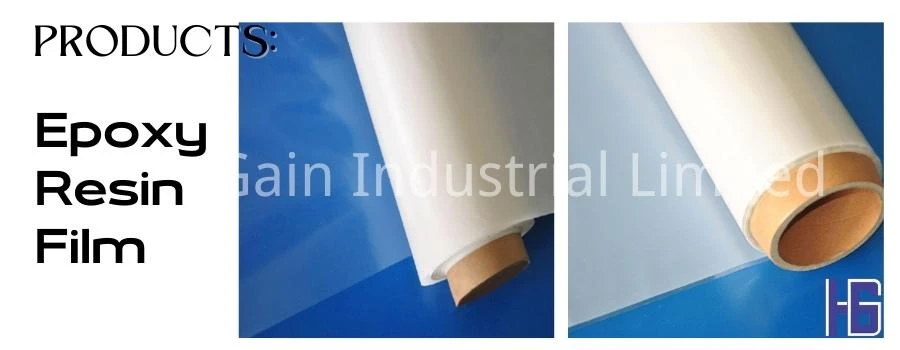
Resin Film Composite are versatile materials that have gained significant popularity in various industries due to their unique properties and applications. These sheets are made from synthetic resins that are processed into thin, flexible films, offering a wide range of advantages over traditional materials. In this article, we will explore the advantages, applications, and the implications of resin film sheets in different industries.
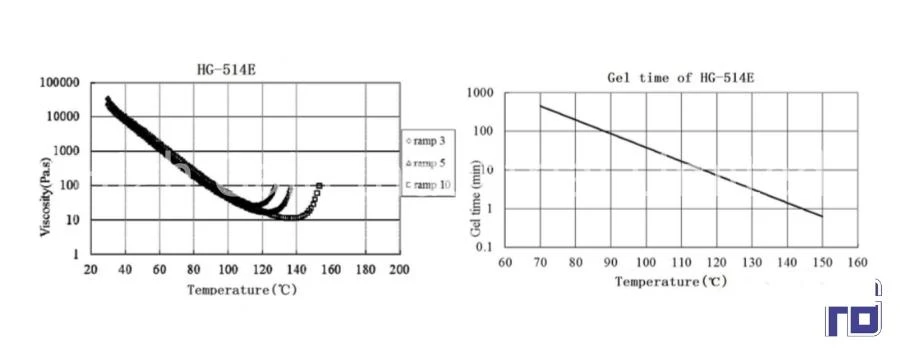
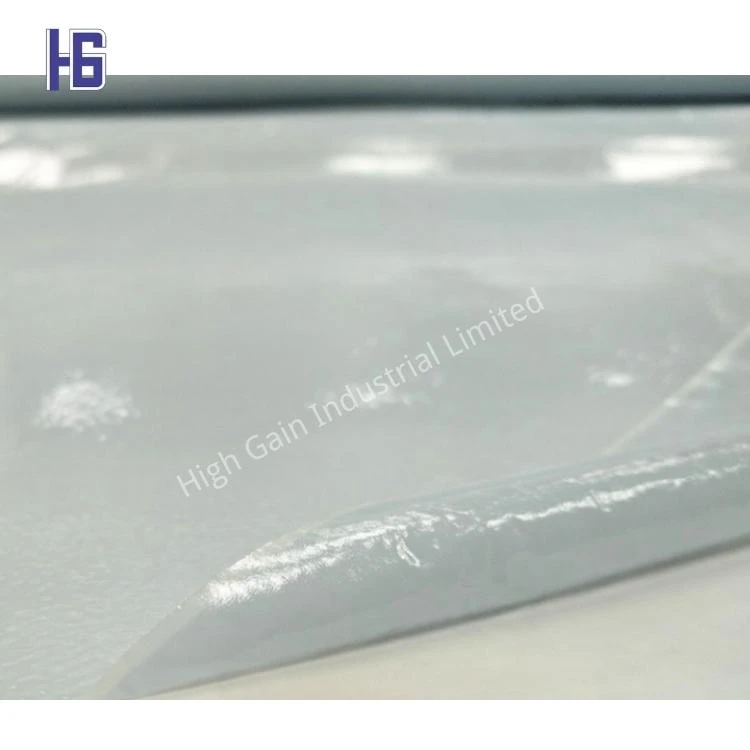
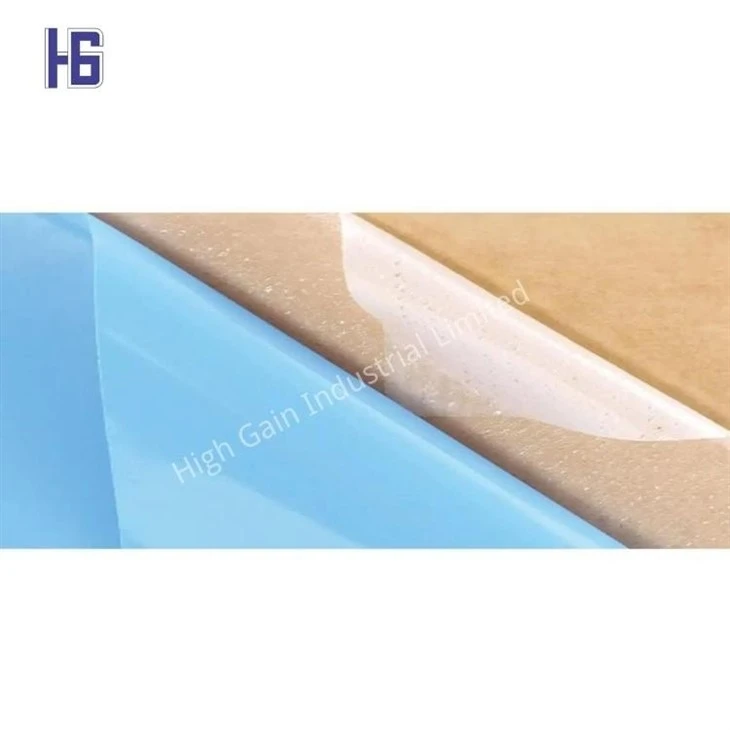
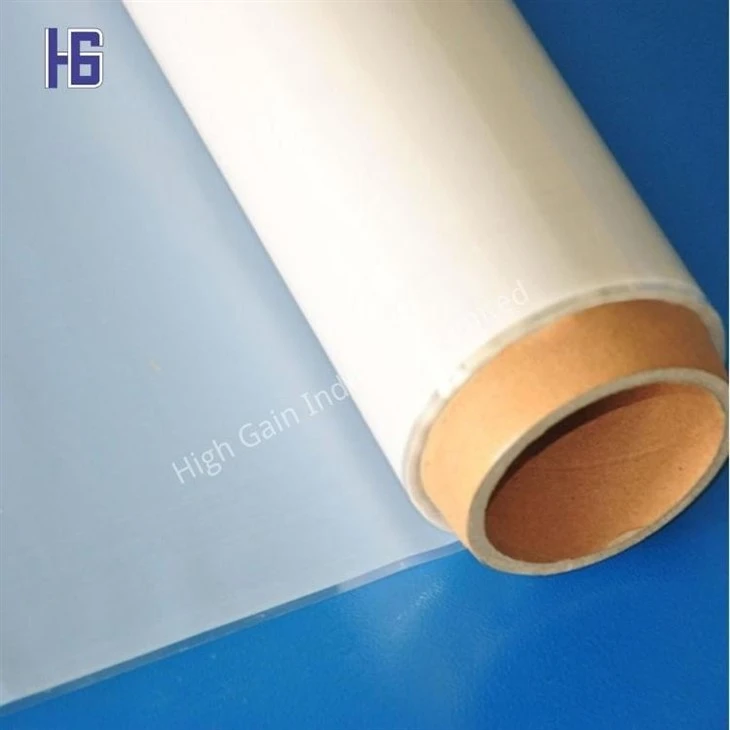
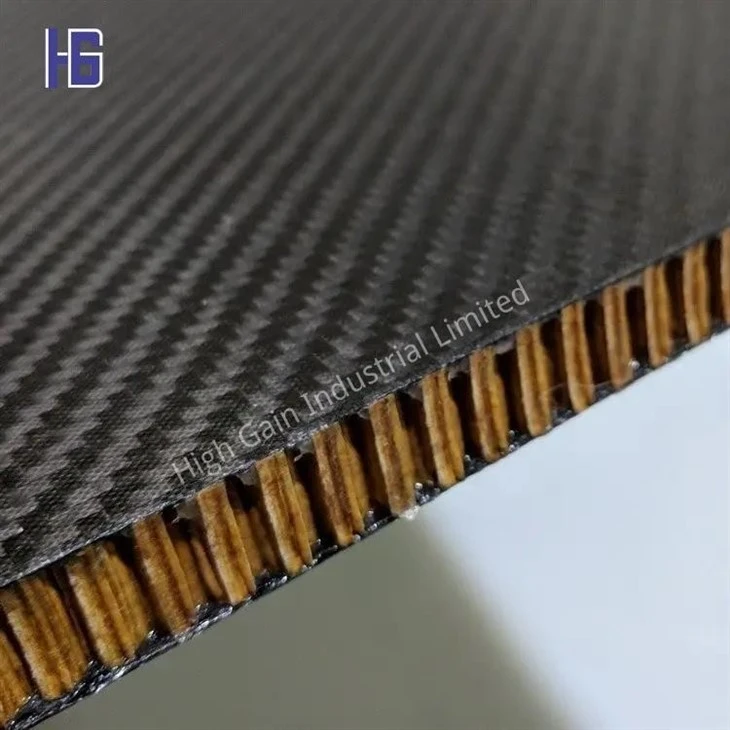
HG-514E is a specially formulated resin film composite tailored for use at moderate temperatures to enhance the surface quality of carbon fiber. It offers exceptional durability, high strength, excellent manufacturability, and user-friendly characteristics, making it well-suited for fabric impregnation purposes. This resin guarantees a clear and consistent coating with customizable weights ranging from 75g/m² to 200g/m² to meet individual customer needs.
For the curing process, HG-514E necessitates a temperature range of 125-150°C and a curing pressure between 2-5 Bar (0.2-0.5Mpa) at 130°C for 60 minutes, or 6 Bar (0.6Mpa) at 150°C for 20 minutes. The curing duration and pressure can be adapted based on the specific fiber/resin combination, component shape, and thickness. Following curing at 150°C for 30 minutes, Differential Scanning Calorimetry (DSC) indicates that the glass transition temperature (Tg) of HG-514E is 130°C.
Applications of Resin Film Composite
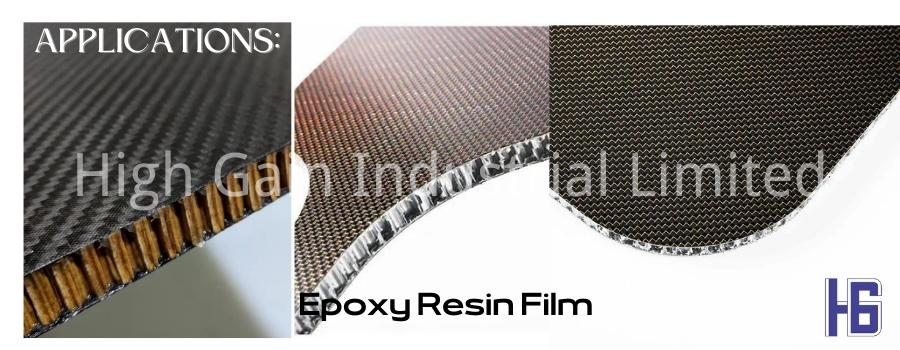
1.Aerospace Industry: In the aerospace industry, resin film composite are widely used in the manufacturing of lightweight components such as interior panels, cabin fittings, and structural elements. Their combination of strength, lightweight, and flexibility makes them an ideal choice for aircraft applications.
2.Automotive Industry: Resin film composite are also extensively used in the automotive industry for applications such as interior trim components, exterior body panels, and structural reinforcements. Their lightweight nature helps in improving fuel efficiency and overall performance of vehicles.
3.Electronics Industry: In the electronics industry, resin film composite are utilized for applications requiring high thermal conductivity and electrical insulation properties. They are used in the production of printed circuit boards, flexible electronics, and thermal management solutions.
4.Construction Industry: Resin film composite find applications in the construction industry for structural reinforcements, insulation materials, and decorative finishes. Their durability and weather resistance make them a suitable choice for both indoor and outdoor construction projects.
Conclusion
Resin film composites have become a popular choice across industries due to their array of benefits, including being lightweight, possessing high durability, resistance to chemicals, and ease of processing. These qualities make them adaptable materials suitable for a wide range of uses. With ongoing technological developments, we anticipate witnessing continued progress in resin film sheet technology, resulting in improved capabilities and broader utilization in various sectors. It is evident that resin film sheets are poised to have a substantial impact on advancing materials science and engineering in the future.
Hot Tags: resin film composite, China resin film composite manufacturers, suppliers, factory, Carbon Fiber Name Card Holder, Carbon Fiber Car Interior Parts, beach tennis racket, uhmwpe fabric, aramid fiber sheets, carbon fiber for boats
Previous
Epoxy Resin Adhesive FilmYou Might Also Like



Send Inquiry