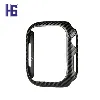
What Are the Differences Between Graphite and Carbon Fiber?
For many, graphite and carbon fiber may seem unfamiliar, but they share the same origin. These materials diverge based on oxidation temperatures and durations during production. Below is a comparison across four dimensions:
1. Composition
- Carbon Fiber: A high-strength, high-modulus fiber with over 90% carbon content.
- Graphite Fiber: Contains over 99% carbon, featuring a layered hexagonal graphite crystal structure.
2. Properties
- Carbon Fiber: Heat-resistant, abrasion-resistant, conductive, thermally conductive, and corrosion-resistant.
- Graphite Fiber: Superior thermal shock resistance, ultra-low thermal expansion, withstands 3,500°C in oxygen-free environments, flame-retardant, and highly conductive.
3. Production
- Carbon Fiber: Made from acrylonitrile or viscose fibers via high-temperature oxidation and carbonization.
- Graphite Fiber: Produced by graphitizing carbon fiber precursors at 2,000–3,300°C.
4. Applications
- Carbon Fiber: Used in aerospace composites when combined with resins, metals, or ceramics.
- Graphite Fiber: Ideal for high-temperature insulation, advanced composites, and military applications (e.g., nickel-plated graphite fibers for electromagnetic shielding or graphite bombs).
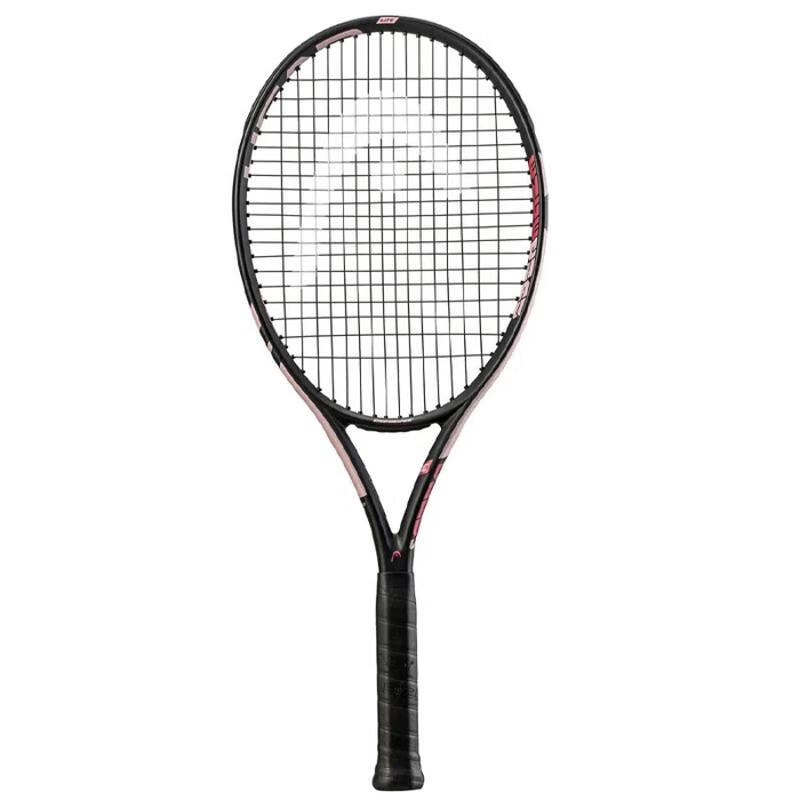
How Do Graphite and Carbon Fiber Differ in Tennis Rackets?
1. Weight
- Graphite: The lightest material for rackets, enhancing comfort and maneuverability.
- Carbon Fiber: Heavier, making flexible designs challenging compared to graphite or metal.
2. Flexibility
- Graphite: Absorbs vibrations and allows easy directional changes, ideal for players with slower swings.
- Carbon Fiber: High stiffness minimizes bending, offering better control but less power transfer.
3. Rigidity
- Graphite: Maximizes shock absorption, suitable for players with arm issues or those hitting near the frame.
- Carbon Fiber: Provides precise ball feel and control at the cost of reduced power output.
4. Power
- Graphite: Delivers extra power and spin for aggressive shots, benefiting players who need explosive force.
- Carbon Fiber: Favors topspin-heavy baseline players due to its energy retention during strikes.
5. Durability
- Graphite: Flexible but prone to cracking with improper use.
- Carbon Fiber: Highly durable, resistant to deformation or breakage under impact.
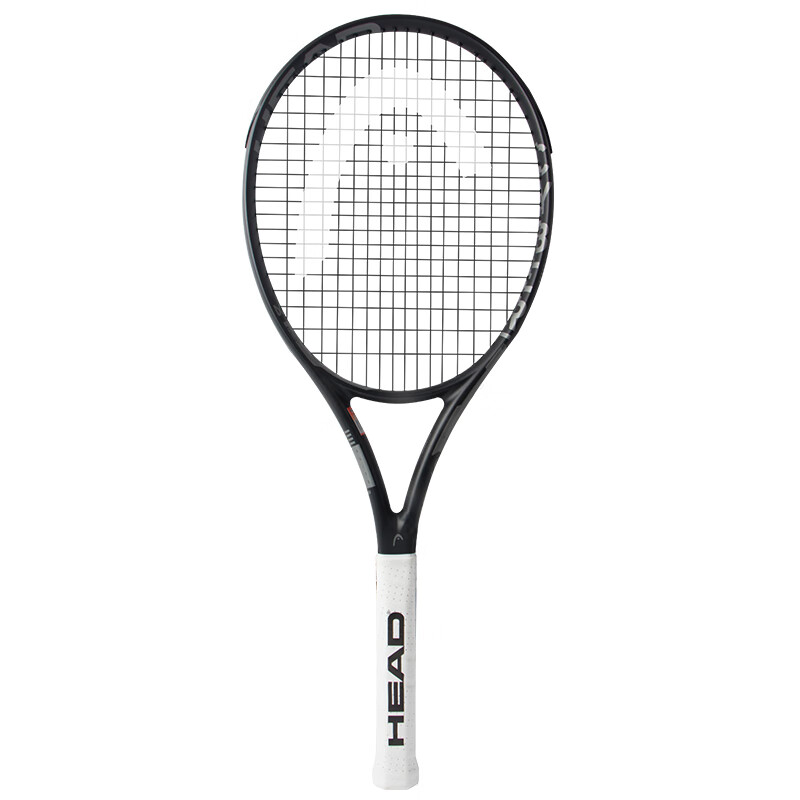
Graphite rackets excel in lightweight flexibility, while carbon fiber prioritizes stiffness, swing speed, and longevity. Choose graphite for elasticity and ease, or carbon fiber for precision and endurance.