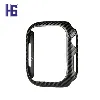
Thermoplastic lightweight carbon fiber composite panels are increasingly becoming the material of choice for industrial upgrades across multiple sectors, thanks to their unique structural and performance advantages. These panels typically combine an anodized aluminum foil surface layer, a core layer of carbon fiber impregnated with thermoplastic resin, and a foam core layer, achieving a metallic appearance while also delivering lightweight properties, high strength, and high modulus.
In consumer electronics, these panels are being adopted for laptop and tablet casings, as well as smartphone mid-frames and back panels. They effectively replace traditional metals or engineering plastics by maintaining a premium metallic look while eliminating signal interference issues common with metal enclosures. The reduced weight enhances portability, and their impact resistance better protects internal components. For 5G smartphones, compression molding allows complex curved designs that meet antenna performance requirements.
The automotive and new energy industries also see significant potential. In electric vehicles, these panels can be used for door modules, instrument panel skeletons, and battery pack enclosures, reducing body weight to extend driving range. Their high modulus enhances structural rigidity, while the foam core improves crash energy absorption. For exterior trims like bumpers and grilles, or interior decorative parts such as dashboard panels, the material achieves a "metallic aesthetic with lightweighting," elevating vehicles' visual appeal and luxury feel. Drones and racing vehicles likewise benefit from reduced weight and enhanced handling.

Aerospace and rail transit are gradually turning to these panels. In aircraft, they suit cabin interior panels and seat frames, meeting strict flame-retardancy and weight-saving requirements. In high-speed trains and subways, applications include carriage flooring and roof modules-cutting energy consumption while the anodized aluminum surface simplifies maintenance.
Beyond these sectors, the panels hold promise in architecture, furniture, sports equipment, and medical devices. High-end architectural cladding, custom furniture, and industrial-style designs leverage their tech-forward appearance. Sports gear like bicycle frames and golf club heads gain performance edges. Medical devices such as wheelchair frames and surgical bed panels maintain load-bearing capacity while reducing weight, easing handling for medical staff.
Still, challenges remain. Production costs are high due to the carbon fiber-metal bonding process, requiring technological advances to streamline manufacturing. Further optimization of the sandwich structure is needed to balance lightweighting, strength, and cost for broader market adoption. Yet as processes mature, these panels are poised to overcome traditional materials' limitations in aesthetics and performance, expanding into mass markets and becoming a transformative force across industries.