Swedish tech startup Sinonus (Borås) is pioneering energy-storing composite materials using carbon fiber that functions simultaneously as structural components and battery electrodes. Recently appointed CEO Markus Zetterström is spearheading efforts to commercialize this innovation, which has already replaced AAA batteries in low-power laboratory applications. The company now aims to scale the technology for use in IoT devices, drones, computers, heavy-duty vehicles, and aircraft.
Derived from carbon fiber originally developed by Oxeon-a Chalmers Venture-backed firm whose materials were used in NASA's Mars Ingenuity helicopter blades-Sinonus' technology leverages the fiber's ultra-lightweight, thin-profile properties and innate electrochemical energy storage capacity.
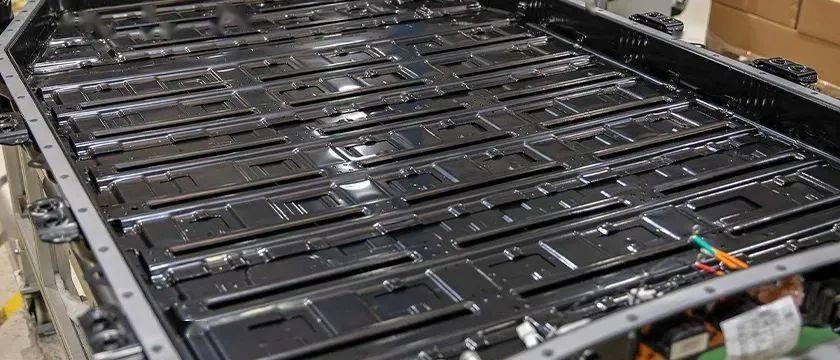
"While energy storage efficiency in carbon fiber may lag behind traditional batteries, our solution delivers systemic advantages by bearing structural loads," explained Zetterström. For electric aircraft to become viable, drastic weight reductions are essential. Similarly, structural batteries could mitigate the 50% weight penalty typical of lithium-ion-powered EVs while extending range.
Chalmers University of Technology research underpinning this development suggests structural carbon fiber batteries could increase lightweight EV range by up to 70%. Additionally, their lower energy density and absence of volatile compounds enhance safety compared to conventional batteries.
Sinonus' breakthrough aligns with global demand for multifunctional materials that address both energy and weight challenges across transportation sectors. By transforming structural elements into power sources, the startup aims to redefine energy storage paradigms-one carbon fiber strand at a time.