NCC is affiliated with the University of Bristol in the UK. The Royal Charter authorizes the University of Bristol to register the parent company (company number RC000648) and establish a wholly-owned subsidiary, NCC Operations Limited (company number 07304890). The main trading activities of NCC are undertaken by the University of Bristol, while non-main trading activities are undertaken by the subsidiary. The operation of NCC shall be by the strategic objectives of NCC, the principles set out in the framework of business principles, and the terms agreed by members. NCC implements a membership system, and member units are divided into three levels: primary, secondary, and associate members.
On October 12, the National Composites Centre (NCO) of the United Kingdom announced that the center had successfully tested a series of composite liquid and gas cryogenic storage tanks designed and manufactured by it.
Cryogenic storage tanks will become an important component of hydrogen-powered aircraft and are expected to be put into use in the mid-2030s. At present, most designs for storing liquid hydrogen LH2 are mostly focused on heavy metal tanks. Composite storage tanks developed in the aerospace industry are basically only suitable for one-time applications. However, commercial aircraft require products that are as light as possible, can be filled and emptied repeatedly, and have a long service life.
Website
:https://www.hgcomposites.com

Custom Notebook Solutions
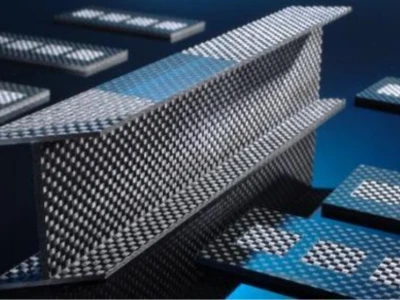
To support the UK's transition to a low-carbon economy, the NCC is developing composite cryogenic tanks and developing complex product demonstrators for testing. A team of specialist engineers has created and built a comprehensive range of cryogenic concepts and design tools to help UK organizations overcome the engineering challenges that are critical to accelerating hydrogen development.
As there is currently no clear industry standard for aerospace cryogenic tanks, the ability to analyze a range of designs is critical. These tools form a baseline toolset that can be used by the industry for cryogenic tank projects, enabling detailed design and manufacturing risk identification and analysis. Understanding cryogenics at this fundamental level will enable the NCC to support a wide range of industries and applications.
:Info@Highgaincomposites.Com
The NCC's test results build on previous work on the NCC UK composite cryogenic tank test program and concept tools. Composite design expertise is critical to achieving long-life cryogenic tanks to overcome some potential limitations of composite formulations.
Two tanks were tested using liquid hydrogen: one as a monocoque structure and the other as a split design to assess the feasibility of large tank design and manufacture. The tanks have a capacity of 30 liters and a design pressure of 8 bar. Manufactured on-site at the NCC using automated fiber placement, the tanks consist of just a separate outer shell to contain the liquid hydrogen and are installed within the vacuum chamber of the FSE test facility to provide insulation.
Tel
:8525448418
Custom Notebook Solutions
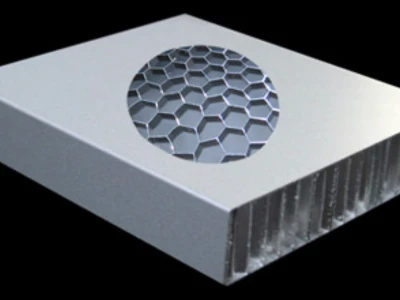
The NCC is also developing a state-of-the-art manufacturing and testing facility for hydrogen transport and storage, pressure vessels, and piping, which will underpin its design, testing, and manufacturing capabilities. With pressure testing systems already in place, a filament winding machine and a thermoplastic pipe winding machine will be installed at the facility by the end of 2023.
In addition, the NCC composite cryogenic hydrogen storage tank has been shortlisted in the 'Design Innovation' category of the 2023 UK Composites Awards and will be on display at the NEC in Birmingham on Screen T120 from 1-2 November.