New-Generation Carbon Fiber-Reinforced Composites Launched into Space for Extreme Environment Testing
On November 5th, a new generation of carbon fiber-reinforced composite space materials, developed by scientists at the University of Bristol, was launched into space aboard a SpaceX rocket. The rocket is destined for the International Space Station (ISS), where these materials will undergo rigorous testing under the extreme conditions of low Earth orbit to ascertain their potential use in constructing future space stations, interstellar spacecraft, or a new ISS.
These advanced composites will be mounted on the Bartolomeo platform, located at the forward section of the ISS, and are expected to orbit the Earth at a velocity of 17,000 miles per hour for up to 9,000 cycles over the next 12-18 months. They must endure temperatures ranging from -150°C to +120°C, space debris traveling at seven times the speed of a bullet, intense electromagnetic radiation, high vacuum conditions, and atomic oxygen, which can erode even the most resilient materials.
Space represents one of the most challenging environments for the design of new materials, necessitating specialized expertise, skills, and ingenuity to combat extreme temperatures, mechanical stresses, radiation, and high-speed impacts. Addressing any single one of these factors is formidable; obtaining maintenance opportunities in space is not easily feasible, thus the materials manufactured must be capable of enduring without the need for servicing. The opportunity to test materials in the space testing ground is invaluable, aiding in the refinement of fiber-reinforced materials for the next generation of space missions.

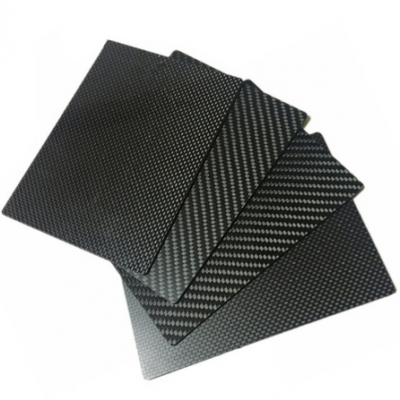
Four types of polymers, manufactured in laboratories and reinforced with carbon fibers, will be sent to the ISS, with two of them incorporating nano particles. These materials are the fruits of research at the University of Bristol, with one having been patented. Should these materials prove capable of functioning effectively in such a harsh environment, they could be utilized to fabricate space components with extended lifespans, enabling spacecraft to travel greater distances and remain in space for more extended periods.