Carbon Fiber Composite Applications Take Center Stage at the 15th Zhuhai Airshow
At the 15th Zhuhai Airshow, a variety of carbon fiber composite material applications were showcased.
On November 17th, the 15th China International Aviation and Aerospace Exhibition concluded in Zhuhai, Guangdong. This edition of the airshow saw 1,022 companies participating, with 1,195 aircraft of various types being sold, and a total contract value reaching 285.6 billion yuan, an increase of 104% in the number of foreign exhibitors compared to the previous session. One of the highlights of this year's airshow was the prominent display in the field of new materials. In the new materials and application exhibition area, stealth materials, titanium alloys, and carbon fiber composite materials have become the focus, bringing a new technological experience to the audience. Let's take a look at some of the carbon fiber composite material application cases on site.
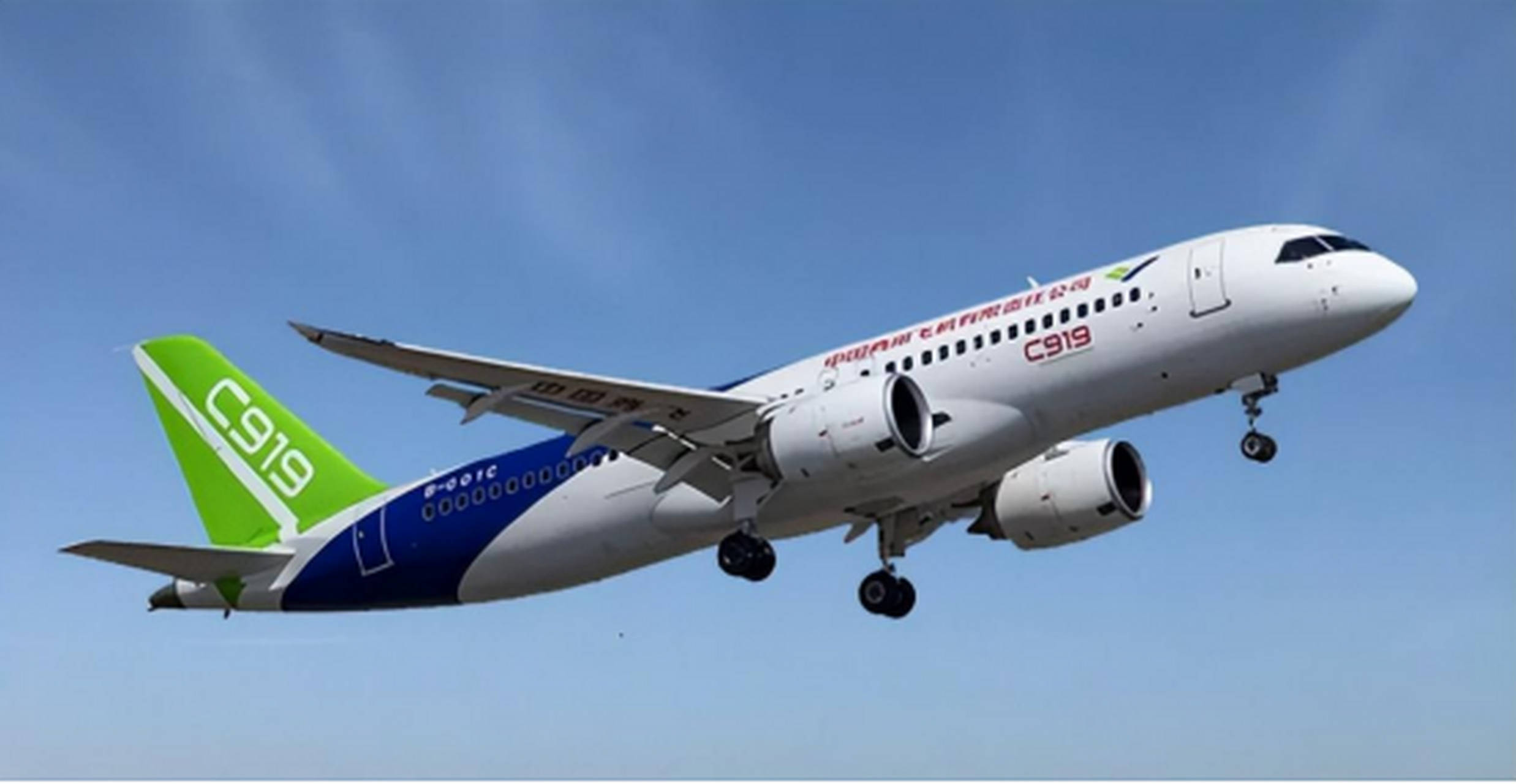
The C919 large passenger aircraft has a composite material usage ratio of 12%.
The C919 is not only China's first jetliner developed in accordance with internationally accepted airworthiness standards and with independent intellectual property rights, but it has also sparked an unprecedented revolution in the field of material industry. It can drive a group breakthrough in key technologies in new materials and modern manufacturing, and will also promote significant progress in fluid mechanics, solid mechanics, and many other basic disciplines, comprehensively and greatly improving China's scientific and technological level. The usage of composite materials in the C919 accounts for about 12% of the aircraft's structural weight.
In line with national strategic requirements, the domestic C929 large aircraft is expected to have a composite material utilization rate of 54%. Currently, the C929 is still in the preliminary design phase, and the final proportion of composite materials may be further increased based on continuous optimization of the design and technological development.
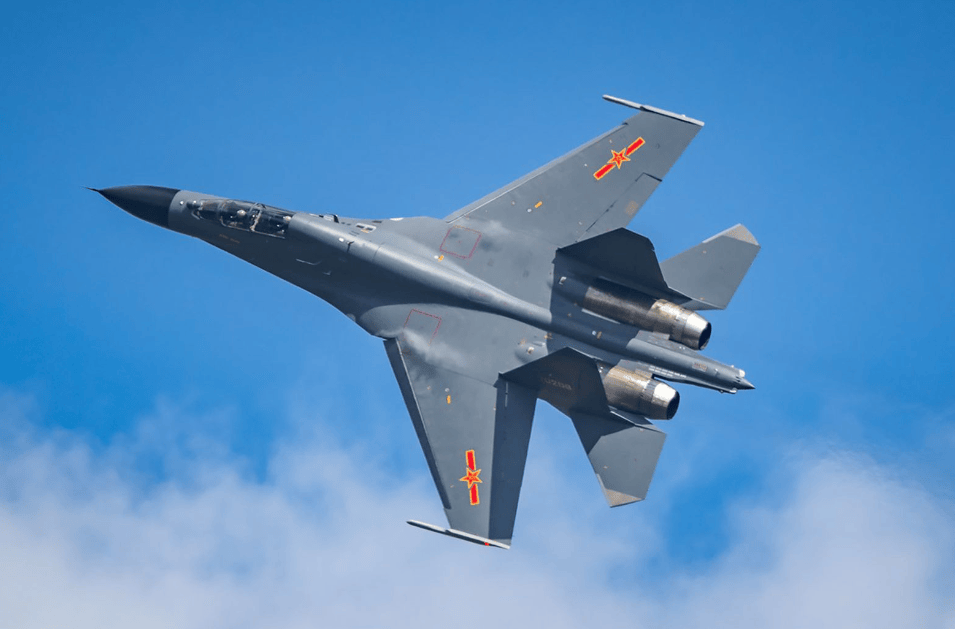
The J-35A fighter's new composite materials were unveiled at the Zhuhai Airshow.
Reports from CCTV indicate that the J-35A fighter's stealth performance ranks first globally. This conclusion is not surprising, as the J-35A has fully referenced the advantages of the J-20 and F-22A, integrating cutting-edge stealth technology and the application of new materials. The extensive use of composite materials has further reduced the weight of the aircraft and lowered the radar scattering area. This has made the J-35A's comprehensive stealth performance leading among fifth-generation fighters, and it can be regarded as the pinnacle of fighter design.
Compared to the FC-31 fighter's 30% carbon fiber composite material ratio, the J-35A has further increased the proportion of composite materials used. This high-end material not only reduces the radar scattering cross-section but also lightens the aircraft's weight, significantly enhancing the fighter's performance.
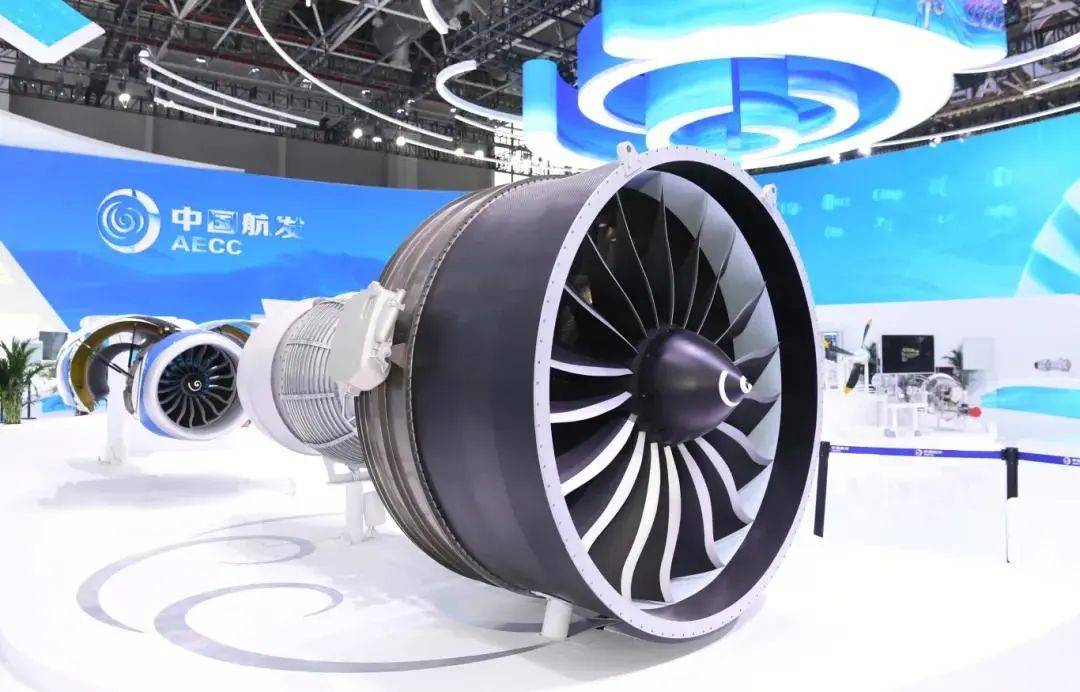
Aero Engine Corporation of China (AECC) showcased its star products such as the CJ1000A engine, "Taihang" engine, and AES100 engine, with nearly half of the more than sixty types of exhibited products being displayed for the first time. AECC has independently developed a variety of advanced aviation materials and components that can meet the high-performance, lightweight, and long-life design requirements of advanced aviation power. Among them, the ceramic matrix composite material turbine outer ring, prepared by advanced processes, is characterized by low cost, short cycle, and high density, and can be applied to the mass production of various aviation engine components.
At the Zhuhai Airshow, representatives from ten important customers signed intent purchase contracts and cooperation agreements with AECC for more than 1,500 aviation engines, with a total value exceeding 10 billion yuan.
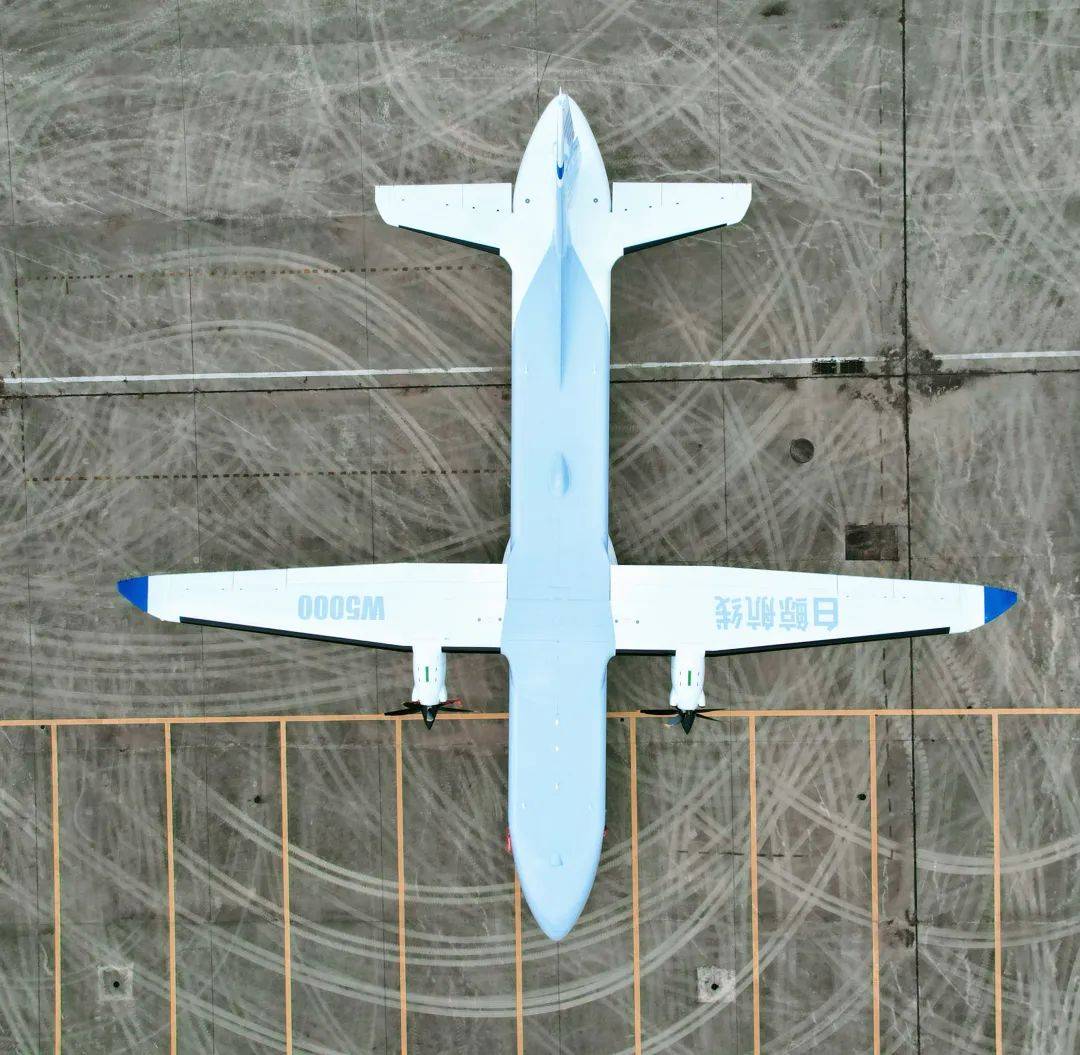
The Beluga Airline W5000, which uses T700 carbon fiber composite materials, made its global debut and became a major focus on the first day of the exhibition. The Beluga Airline large unmanned cargo aircraft project, initiated by four alumni of Beihang University, aims to create a domestically controllable large unmanned cargo aircraft. With a traditional turboprop design, a wingspan of 22.70 meters, a height of 7.51 meters, a length of 22.89 meters, and a cargo hold volume of 65 cubic meters, it is one of the largest payload, longest range, highest safety, and most cost-effective large cargo drones in the country. The airworthiness has been accepted, and the first aircraft is expected to be delivered in the second half of 2026. In terms of material selection, T700 carbon fiber composite materials were used, which are strong and lightweight. Its total weight is about 2.1 tons, accounting for about 85% of the total aircraft weight, greatly reducing the overall weight of the aircraft and enhancing its payload capacity and range.
XPeng Huitian's carbon fiber fuselage main structure and rotor blades have attracted much attention. The flying car, which adopts an innovative six-rotor dual duct design, uses carbon fiber materials for both the fuselage main structure and rotor blades, achieving a perfect combination of high strength and lightweight. In addition, the 270° panoramic cabin provides users with a broad flight view.
The Wanfeng Diamond DA50 features a carbon fiber composite material fuselage design. Wanfeng Auto Holding Group made a new appearance, especially the Wanfeng Diamond series of aircraft, including the highly anticipated Diamond DA50, DA40 aircraft, and innovative eVTOL models. The DA50, with its smooth design and excellent performance, is highly praised. This five-seat single-engine piston aircraft is equipped with advanced Garmin G1000 NXi avionics and uses a carbon fiber composite material fuselage design, which not only enhances the strength of the aircraft but also makes it lighter. Its equipped autopilot system is not only effective in ensuring safety but also enhances flight comfort, making it an ideal choice for long-distance flights.
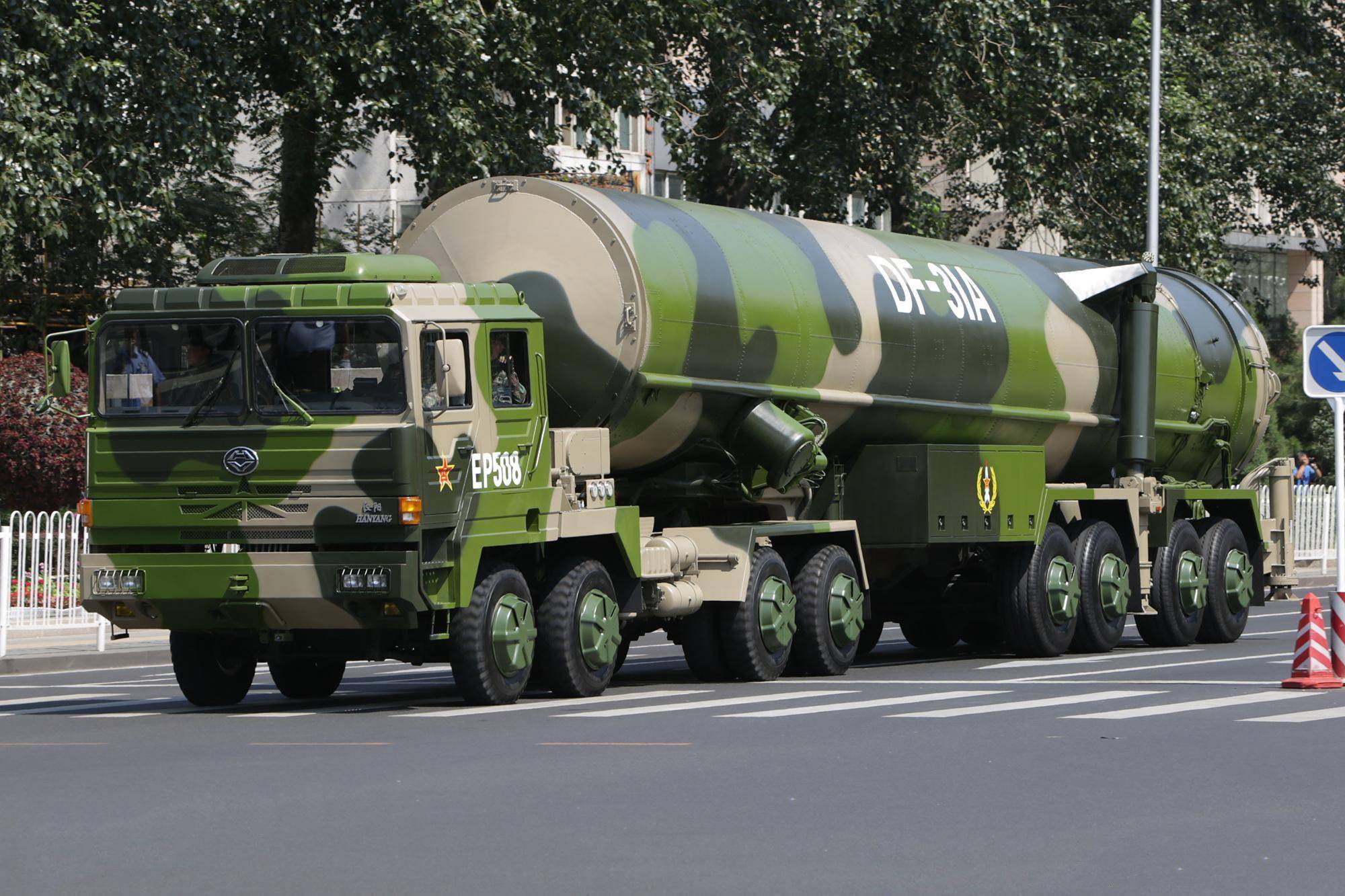
In addition to low-altitude aircraft, the Hongqi-19 kinetic energy interceptor also uses composite carbon fiber materials and N-15B solid propellants. The interceptor is powered by a two-stage rocket engine, with a maximum ceiling of 450 kilometers, a terminal velocity exceeding 7.9 Mach, and can withstand overloads of up to 60G, with a combat range exceeding 200 kilometers.