Why are carbon fiber products favored? What are their applications and development prospects?
With the advancement of technology and the increasing demand for high-performance materials, carbon fiber products have gradually become a popular choice across various industries. Due to their excellent physical and chemical properties, carbon fiber products are widely used in fields such as aerospace, automotive manufacturing, and sports equipment. So, why are carbon fiber products so favored? What are their applications and development prospects? This article will delve into these questions to reveal the vast potential of carbon fiber products.
Unique Advantages of Carbon Fiber Products
Lightweight and High Strength
Lightweight: Carbon fiber materials have a density only one-fourth that of steel, yet their strength far exceeds that of traditional metals. This makes carbon fiber products extremely advantageous in applications requiring weight reduction, such as aerospace and racing.
High Strength: Carbon fiber exhibits very high tensile strength and stiffness, allowing it to withstand significant loads without deformation. This makes it excellent for manufacturing high-strength structural components.
Corrosion Resistance and High-Temperature Durability
Corrosion Resistance: Carbon fiber materials possess exceptional corrosion resistance, maintaining stability in harsh environments. This makes carbon fiber products particularly suitable for marine engineering and chemical industries.
High-Temperature Resistance: Some carbon fiber materials can maintain performance in high-temperature environments, making them ideal for applications in aerospace engines and other high-temperature settings.
Design Flexibility and Multifunctionality
Design Flexibility: Carbon fiber composites can be designed into various shapes and sizes based on requirements, offering customized solutions. This is especially important for specialized applications, such as medical devices and custom vehicles.
Multifunctionality: By combining with other materials, carbon fiber products can achieve multifunctional properties such as conductivity and self-healing capabilities, broadening their range of applications.
Application Fields of Carbon Fiber Products
Aerospace
Structural Components: Due to their lightweight and high strength, carbon fiber products are widely used in the aerospace industry for manufacturing critical structural components like wings, fuselage, and tail sections. This not only reduces aircraft weight and improves fuel efficiency but also increases payload capacity.
Thermal Protection Systems: The high-temperature resistance of carbon fiber materials makes them ideal for manufacturing thermal protection systems for spacecraft, such as heat shield tiles and thermal barriers.
Automotive Manufacturing
Body Structure: In automotive manufacturing, carbon fiber products are used to create lightweight body structures and components, such as doors and hoods. This helps reduce overall vehicle weight, improves fuel efficiency, and enhances safety performance.
Racing Applications: In the racing sector, the application of carbon fiber materials is even more extensive, including race car bodies, chassis, and suspension systems. Its high strength and lightweight characteristics significantly enhance the performance and speed of race cars.
Sports Equipment
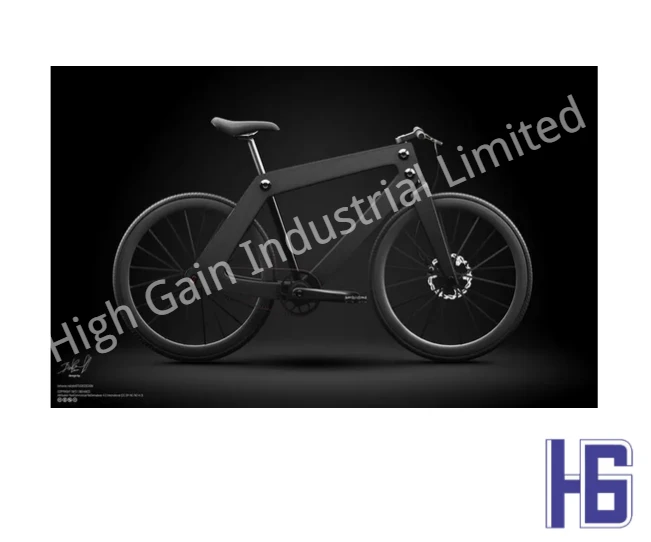
Sporting Goods: Carbon fiber products are widely applied in sports equipment, such as golf clubs, tennis rackets, and bicycle frames. Their lightweight and high strength make sporting goods not only more portable but also improve athletic performance.
Outdoor Gear: Carbon fiber materials are also used to manufacture high-performance outdoor gear, such as trekking poles and skis, providing better experiences and safety for outdoor activities.
Other Fields
Medical Devices: Carbon fiber products find broad applications in medical devices, such as supports in X-ray equipment and surgical instruments. Their high strength and transparency make carbon fiber an essential material in healthcare.
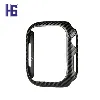
Electronic Devices: In the electronics sector, carbon fiber materials are used to manufacture lightweight yet durable casings and structural components, such as phone cases and laptop shells.
Manufacturing and Technical Challenges of Carbon Fiber Products
High Production Costs
Raw Material Costs: The production process of carbon fiber materials is complex, involving high-temperature treatment and chemical reactions, leading to relatively high raw material costs. This results in higher prices for carbon fiber products, limiting their large-scale application in certain fields.
Complex Manufacturing Processes: The manufacturing of carbon fiber products involves multiple steps, such as prepreg production, forming processes, and curing. These processes require high standards of equipment and technology, further increasing production costs.
High Process Control Requirements
Quality Control: The performance of carbon fiber products largely depends on quality control during manufacturing. Precise control of every process parameter, such as temperature, pressure, and time, is necessary to ensure that the final product meets design specifications.
Equipment Demands: Producing high-quality carbon fiber products requires specialized equipment and facilities, such as high-temperature and high-pressure molds and automated laying equipment. The investment cost of these machines is high, necessitating strong technological capabilities and financial resources from manufacturers.
Environmental and Safety Issues
Environmental Regulations: The production of carbon fiber generates waste gases and residues, which need appropriate environmental measures for disposal. Additionally, recycling and reusing old carbon fiber products is an area that needs attention.
Operational Safety: During processing, carbon fiber materials can produce fine dust, which may pose health risks to workers and harm the environment. Effective safety measures must be implemented during production to protect personnel.
Future Development Prospects of Carbon Fiber Products
Technological Innovation and Process Improvement
New Material Development: With continuous technological advancements, the development and application of new types of carbon fiber materials will further enhance the performance of carbon fiber products. Innovations like nano-carbon fibers and graphene-enhanced carbon fibers offer new directions for performance enhancements.
Green Technologies: The growing emphasis on sustainability is likely to drive the demand for carbon fiber in green technologies, such as renewable energy systems (e.g., wind turbine blades) and electric vehicles. Their lightweight and durable properties can contribute to enhancing efficiency and performance in these applications.
Consumer Goods: As consumer awareness increases regarding the benefits of lightweight and durable materials, we may see a wider adoption of carbon fiber in everyday products, from electronics to fashion items, expanding its market presence.
Recycling and Sustainability Initiatives
Recycling Technologies: Developing effective recycling methods for carbon fiber composites will be crucial for sustainability. Innovations in chemical recycling and reprocessing can allow manufacturers to reclaim valuable materials, thus reducing waste and environmental impact.
Sustainable Sourcing: Efforts to source raw materials sustainably and improve the overall lifecycle of carbon fiber products are increasingly important. Manufacturers may focus on using bio-based precursors or developing closed-loop systems to minimize environmental footprints.
Regulatory and Standardization Efforts
Industry Standards: As carbon fiber applications expand, establishing clear industry standards and regulations will be essential for ensuring product safety and performance. Collaborations among manufacturers, researchers, and regulatory bodies can help create guidelines that promote best practices in the production and application of carbon fiber products.
Certification Programs: Certification programs focusing on the quality and sustainability of carbon fiber products can boost consumer confidence and encourage broader adoption across industries.
By addressing these challenges and capitalizing on emerging opportunities, the future of carbon fiber products looks promising. Continuous innovation and responsible practices will position carbon fiber as a key material in various fields, driving advancements in technology and sustainability.