


Vacuum Bagging Epoxy
Vacuum Bagging Epoxy
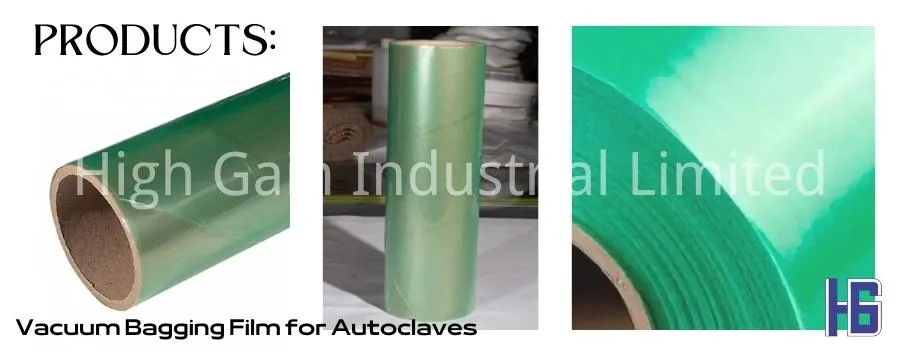
Introduction
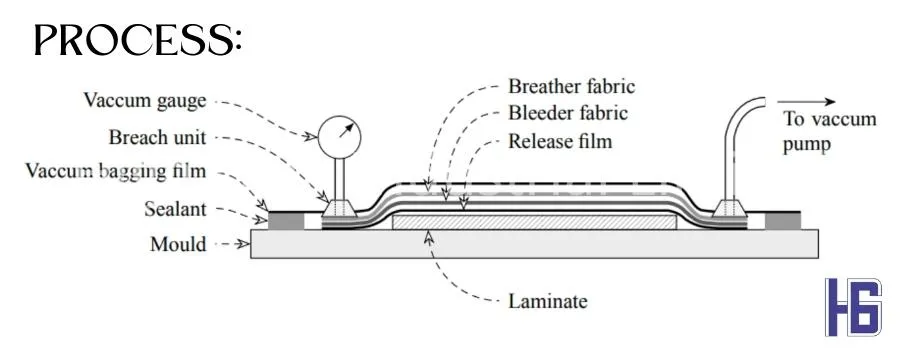
Vacuum bagging epoxy is a widely employed method in the production of composite materials like fiberglass, wherein a vacuum is utilized to extract air from a setup comprising laminate materials such as fiberglass cloth, resin, and essential components. Through the application of vacuum pressure, the laminate is compressed, ensuring even distribution of resin within the material, leading to the creation of a more robust and consistent composite.
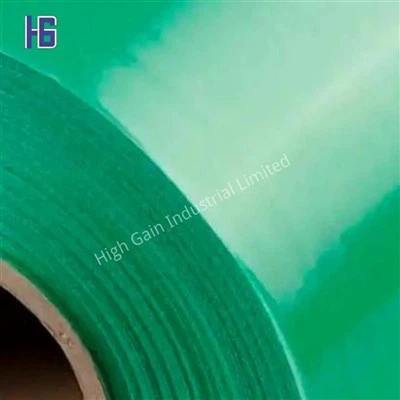
TECHNICAL DATA OF VACUUM BAGGING EPOXY
|
Material type |
Nylon |
|
Elongation at break |
400 % |
|
Tensile strength |
8000 psi (55 MPa) |
|
Maximum use temperature |
204°C |
|
Melting point |
215°C |
|
Flammability |
Self extinguishing |
|
Materials to avoid |
Strong oxidize / Phenolic acid |
|
Color |
Green |
|
Shelf life |
18 months when stored in original packaging at 22°C |
THICKNESS(um): 50/ 75/ 125
FORMS: sheeting, centre fold
*may be customized and please contact us for more information

Application of Vacuum Bagging Epoxy
1. Aerospace Industry
In the aerospace sector, lightweight yet strong composite materials are in high demand. Vacuum bagging epoxy is used to manufacture components such as aircraft panels, fairings, and interior parts. The process ensures that these parts meet the stringent performance requirements of the aerospace industry.
2. Automotive Sector
Automotive manufacturers utilize vacuum bagging epoxy to produce lightweight body panels, spoilers, and other components that contribute to fuel efficiency and performance. The superior strength-to-weight ratio of fiberglass composites makes them an ideal choice for high-performance vehicles.
3. Marine Applications
The marine industry benefits from the use of vacuum bagging epoxy in the construction of boat hulls, decks, and fittings. The corrosion-resistant properties of fiberglass, combined with the enhanced strength from vacuum bagging, make it an excellent material choice for marine environments.
4. Construction and Architecture
In the construction sector, vacuum bagging epoxy is employed to fabricate structural elements, cladding panels, and architectural features. The ability to create custom shapes and sizes using fiberglass composites allows architects and designers to realize their creative visions while maintaining structural integrity.
5. Sports and Recreation
Sports equipment manufacturers leverage vacuum bagging epoxy to produce lightweight and high-performance products such as surfboards, kayaks, and bicycle frames. The enhanced durability and flexibility of fiberglass composites make them ideal for use in various sporting applications.

Conclusion
The use of vacuum bagging epoxy presents as a flexible and effective method that elevates the production process of composite materials, offering benefits such as enhanced strength, surface quality, cost-effectiveness, uniformity, and design adaptability. Its wide-ranging applications across industries spanning aerospace, marine, automotive, and construction underscore its significance in delivering high-quality composite products. With technological progress and the increasing need for lightweight yet resilient materials, vacuum bagging epoxy is poised to remain a crucial component in meeting the changing requirements of diverse sectors.
Hot Tags: vacuum bagging epoxy, China vacuum bagging epoxy manufacturers, suppliers, factory, Plastic PET Film, carbon fiber sole basketball shoes, twill carbon fiber prepreg, Water Soluble Mandrel, aramid fiber sheets, Carbon fiber modified car parts
Previous
Release Film CompositesYou Might Also Like




Send Inquiry