


Vacuum Bagging Fiberglass
Vacuum Bagging Fiberglass

Introduction
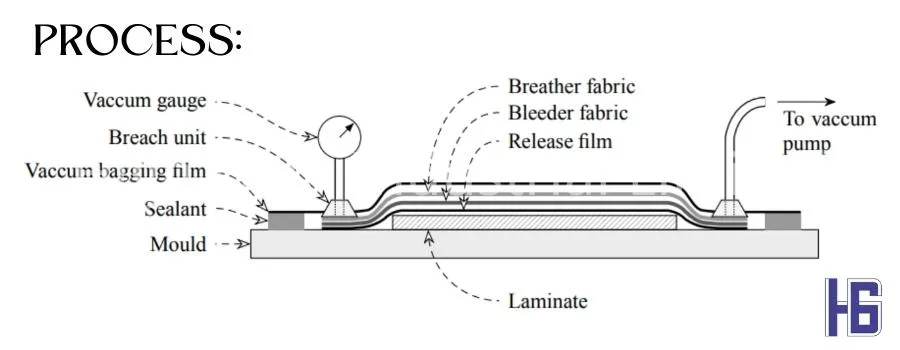
Vacuum bagging is a common technique used in the manufacturing of composite materials, such as fiberglass. This process involves using a vacuum to remove air from a setup containing a laminate material, such as fiberglass cloth, resin, and other necessary components. By applying vacuum pressure, the laminate is compacted and the resin is evenly distributed throughout the material, resulting in a stronger and more uniform composite.
TECHNICAL DATA OF VACUUM BAGGING FIBERGLASS
|
Material type |
Nylon |
|
Elongation at break |
400 % |
|
Tensile strength |
8000 psi (55 MPa) |
|
Maximum use temperature |
204°C |
|
Melting point |
215°C |
|
Flammability |
Self extinguishing |
|
Materials to avoid |
Strong oxidize / Phenolic acid |
|
Color |
Green |
|
Shelf life |
18 months when stored in original packaging at 22°C |
THICKNESS(um): 50/ 75/ 125
FORMS: sheeting, centre fold
*may be customized and please contact us for more information

Advantage of Vacuum Bagging Fiberglass
1. Improved Strength and Durability
Vacuum bagging fiberglass ensures that the resin is evenly distributed throughout the fiberglass material, eliminating any air voids or dry spots. This results in a stronger and more durable composite with uniform strength properties.
2. Enhanced Surface Finish
The vacuum pressure applied during the curing process helps to compact the fiberglass layers, resulting in a smooth and blemish-free surface finish. This is essential for applications where aesthetics play a crucial role, such as in automotive components or architectural panels.
3. Cost Efficiency
While the initial setup for vacuum bagging fiberglass may require some investment in equipment, the overall cost-effectiveness of the process lies in the reduction of material waste. By ensuring optimal resin distribution, vacuum bagging helps minimize excess resin usage and ensures efficient use of resources.
4. Consistency in Production
Vacuum bagging offers a high level of control over the manufacturing process, leading to consistent results batch after batch. This repeatability is crucial for industries that require precision in their composite products.
5. Complex Shapes and Designs
The flexibility of fiberglass combined with the vacuum bagging technique allows manufacturers to create composite parts with intricate shapes and designs. This versatility opens up a world of possibilities for creative applications in various industries.

Conclusion
Vacuum bagging fiberglass is a versatile and efficient technique that enhances the manufacturing process of composite materials. Its advantages in terms of improved strength, surface finish, cost efficiency, consistency, and design flexibility make it an indispensable tool for industries requiring high-quality composite products. From aerospace to marine, automotive to construction, the applications of vacuum bagging fiberglass are diverse and impactful, shaping the future of composite material production. As technology advances and demand for lightweight yet durable materials grows, vacuum bagging fiberglass will continue to play a key role in meeting the evolving needs of various industries.
Hot Tags: vacuum bagging fiberglass, China vacuum bagging fiberglass manufacturers, suppliers, factory, carbon fiber yacht accessories, adhesive teflon film tape, Vacuum Bagging Film For Composites, carbon fiber purse, Gift Items, Carbon Fiber Shoes Soles
You Might Also Like




Send Inquiry