The Winter Olympics feature many events, with ice hockey being one of the most popular. Today, an increasing number of ice hockey players are opting for carbon fiber hockey sticks. Why is this the case?
Ice Hockey and Carbon Fiber Hockey Sticks
Modern ice hockey is believed to have originated in Canada. Currently, ice hockey is divided into men's and women's events. As a high-intensity team sport, it holds significant popularity at the Winter Olympics and is widely favored by athletes globally.
Ice hockey requires players to wear specialized equipment, including helmets, elbow pads, knee pads, skates, and hockey sticks. The design of hockey sticks has evolved over time, transitioning from early wooden versions to today's carbon fiber composite sticks-a testament to technological progress.
The price of carbon fiber hockey sticks correlates with material quality and manufacturing processes. Entry-level models typically range from ¥500 to ¥1,000 (approx. 70–140), while professional−grade sticks often exceed ¥3,000(approx.420).
What Are the Advantages of Carbon Fiber Hockey Sticks?
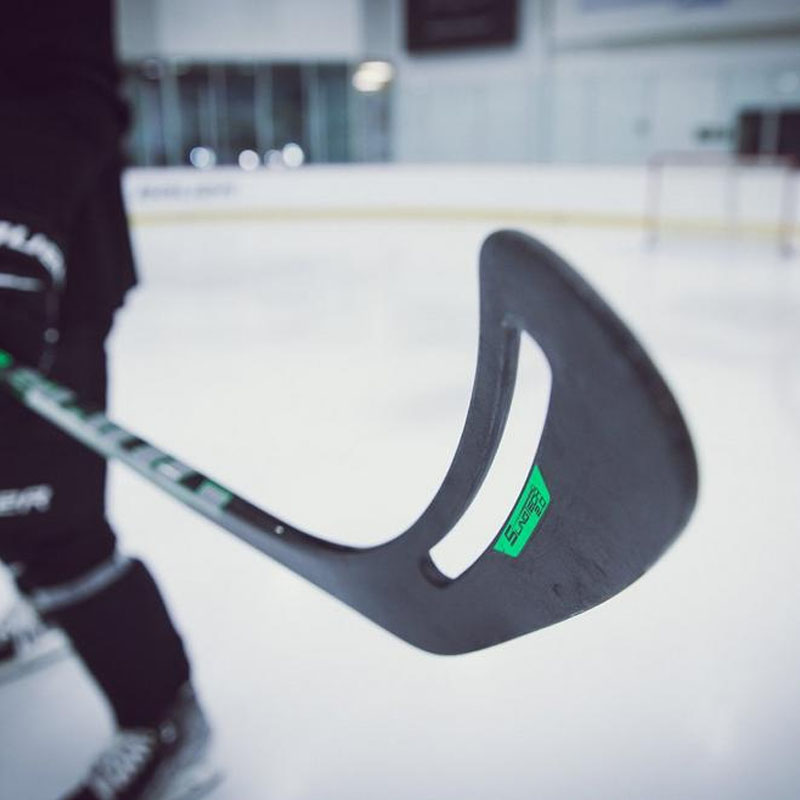
Carbon fiber composites retain the material's inherent strengths: lightweight properties, high strength, and durability. When used to craft hockey sticks, these advantages enhance players' performance, enabling more powerful and precise shots, thereby elevating the sport's excitement and appeal.
The manufacturing process for carbon fiber hockey stick substrates involves blending a fluid molding agent into carbon fiber fabric during production. This step reduces the agent's fluidity below a predefined threshold while maintaining tight weight tolerances (±1g/m² to 1.5g/m²). The carbon fiber fabric is then placed into molds, where inflation pressure is controlled between 18,000 kPa and 23,000 kPa. Heat is applied to cure the substrate into the final stick shape.
Carbon Fiber Beyond Hockey
Carbon fiber hockey sticks are just one example of the material's application in sports equipment. Other innovations include carbon fiber sleds, protective gear, and Olympic torches. As China's carbon fiber production capacity and technology continue to advance, domestically produced carbon fiber is poised not only to meet local demand but also to compete globally.