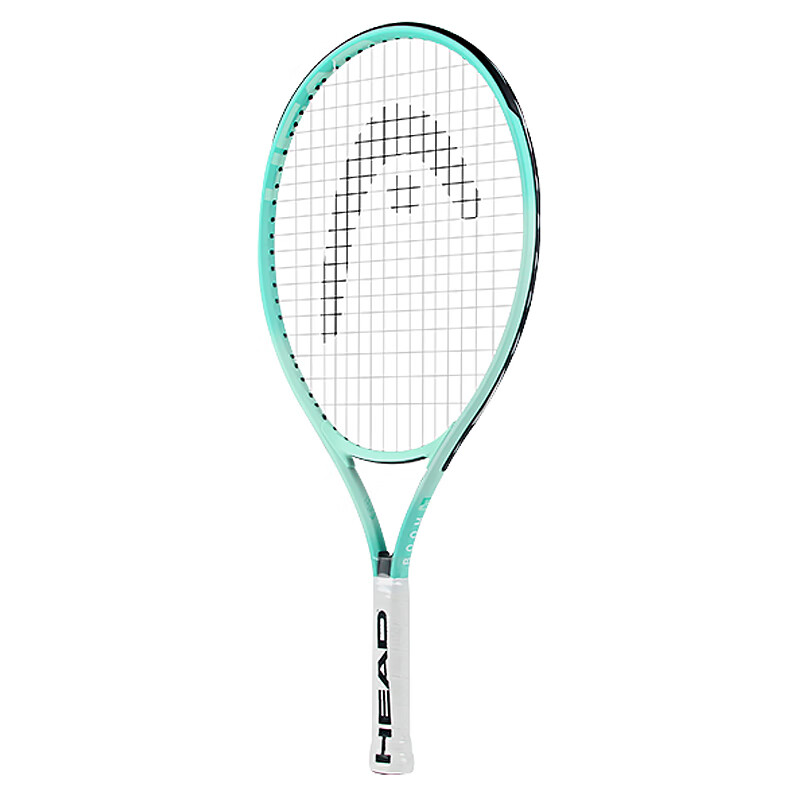
Balancing high performance with environmental stewardship has become a defining challenge for modern manufacturing. HEAD Sports' collaboration with Toray Industries exemplifies this dual commitment. Their co-developed Boom Raw tennis racket not only upholds the legendary performance of the classic Boom series but also marks a stride in sustainability through Toray's groundbreaking bio-circular carbon fiber technology.
Innovation in Material Sourcing
The limited-edition Boom Raw integrates bio-circular carbon fiber developed by Toray and its subsidiary Toray Carbon Fibers Europe S.A.S. (based in Paris, France). This material derives from agricultural, forestry, and related industrial waste streams-diverting byproducts from landfills or incineration-instead of relying on virgin resources or fossil fuels. This approach reduces both natural resource consumption and environmental burdens tied to waste disposal.
Technically, the bio-circular carbon fiber retains all the hallmarks of traditional carbon fiber: exceptional strength, lightweight properties, and durability, while adding a new eco-conscious dimension. For athletes, this means uncompromised performance paired with a tangible contribution to planetary sustainability.
Operational Sustainability
Notably, HEAD Sports' primary manufacturing base in China has transitioned to renewable energy, a shift projected to cut annual carbon emissions by approximately 7,000 metric tons. This initiative underscores the company's sustainability ethos while setting an industry benchmark.
Global Momentum in Eco-Materials
Beyond Toray's innovation, the global race for eco-friendly materials is accelerating. Domestically, thermoplastic carbon fiber-a recyclable alternative to traditional thermoset carbon fiber-is gaining traction. Unlike thermoset variants, thermoplastic carbon fiber can be melted and reprocessed post-use, enabling true circularity. With its recyclability and processing advantages, this material holds vast potential for sports equipment and beyond, particularly as environmental regulations tighten worldwide.