In the sports equipment and accessories market, product design, lifestyle integration, and functionality remain critical factors influencing consumer purchasing decisions. Currently, many sports products in the European market are imported from Asia, with a significant portion falling short in ecological sustainability.
Researchers at the Fraunhofer Institute for Chemical Technology (ICT) in Pfinztal, near Karlsruhe, have developed an innovative solution under a project funded by the Fraunhofer Future Foundation: a bicycle helmet made entirely from the biopolyester PLA (polylactic acid).
Traditional bicycle helmets often prioritize functionality at the expense of recyclability, resulting in a substantial ecological footprint. Mass-produced petroleum-based helmets from Asia, for instance, typically combine polycarbonate (PC) shells, expanded polystyrene (EPS) foam cores, polypropylene (PP) components, and nylon (PA) straps. This complex material mix renders technical and economic recycling impractical once the product reaches its end of life, typically after 3–5 years of use, leaving incineration as the only disposal option.
By rethinking material selection principles for each component, new pathways for sustainable production emerge. The Fraunhofer Future Foundation's PIMMS project exemplifies this approach, demonstrating how sports gear can be crafted from a single bio-based and recyclable material. PLA, with its proven technical performance and competitive pricing, has already gained market traction. Its material footprint is eight times smaller than that of conventional petroleum-based alternatives.
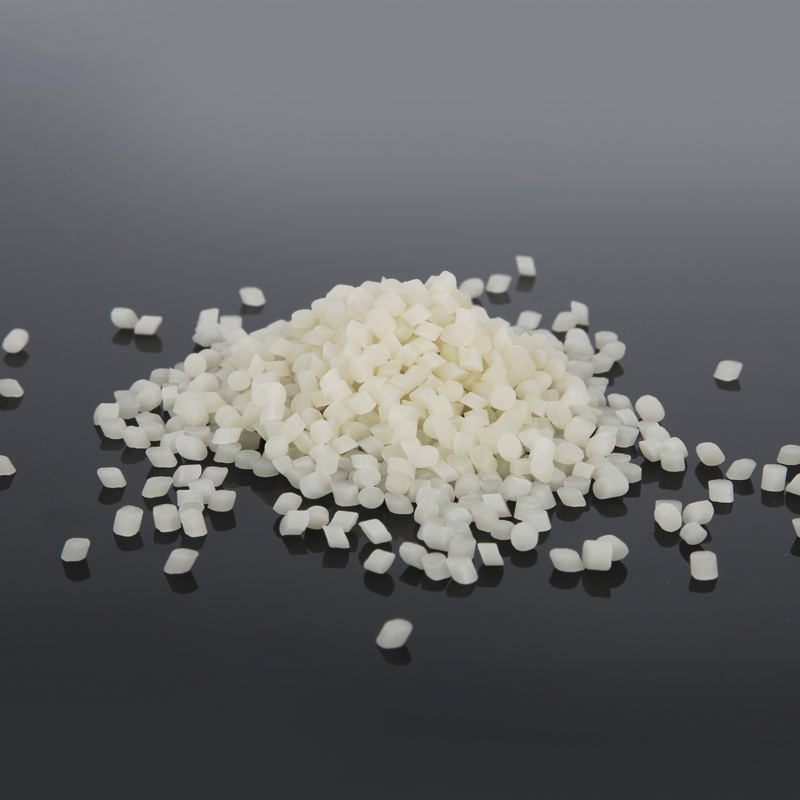
Bicycle helmets present a unique prototype for testing novel materials and designs due to their stringent functional demands-particularly in energy absorption and lightweight construction-as well as their reliance on comfort, affordability, and aesthetics for commercial success. Over an 18-month market-driven project, Fraunhofer ICT partnered with industrial collaborators including Comfil ApS, Elas A/S, WSVK, and Polyola SAS to develop PLA-based granulated foams, thermoformed films, fibers, and composite materials. These innovations required precise, tailored processing methods.
Through cross-industry collaboration, the team adapted high-volume production processes traditionally used for petroleum-based helmets, positioning the PLA helmet for entry into the competitive market.
While the material's durability under everyday conditions has already been validated, standardized external testing to certify the helmet's performance is ongoing. A Life Cycle Assessment (LCA) will further quantify the carbon footprint improvements of this recyclable, single-material helmet across production, use, and end-of-life phases, benchmarking it against conventional petroleum-based counterparts.