"The low-altitude economy is expected to experience rapid development in the future, while the lightweight carbon fiber industry still needs vigorous growth.
According to reports, in 2023, China's low-altitude economy reached a scale of 505.95 billion yuan, with a year-on-year growth of 33.89%. Globally, it is projected that the scale of urban air mobility will reach 55 billion dollars by 2030, 1 trillion dollars by 2040, and 9 trillion dollars by 2050.
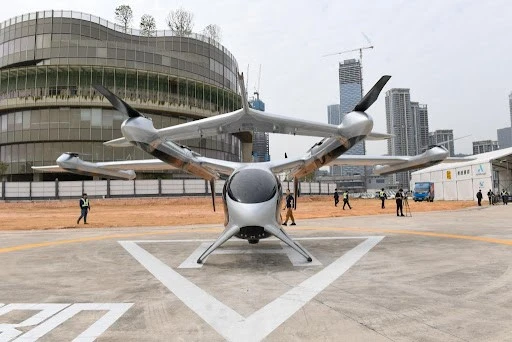
The "low-altitude economy" has been incorporated into the government work report, with multiple domestic policies gradually tilting in its favor.
On June 27, the Party Leadership Group of the Civil Aviation Administration held its fifth collective study session, emphasizing the need to vigorously promote the safe, efficient, and sustainable development of the low-altitude economy. Key focus areas include accelerating the construction of unmanned pilot testing zones, enhancing airworthiness certification capabilities, approving operational qualifications, planning and constructing airport facilities, and developing a low-altitude flight service guarantee system.
Additionally, during this year's Two Sessions, the term "low-altitude economy" was included in the government work report for the first time. In March of this year, the Ministry of Industry and Information Technology, the Ministry of Science and Technology, the Ministry of Finance, and the Civil Aviation Administration jointly issued the "Implementation Plan for the Innovative Application of General Aviation Equipment (2024-2030)," proposing that by 2030, the low-altitude economy will form a market scale in the trillions. The Civil Aviation Administration is actively implementing relevant plans and has revised over 30 civil aviation regulations to preliminarily establish a regulatory framework for general aviation standards and advance the construction of a low-altitude flight service guarantee system.
Local governments have responded enthusiastically to national policies. According to relevant statistical data, as of the end of May 2024, 29 provinces and municipalities have included content related to the "low-altitude economy" in their 2024 government work reports, including Beijing, Guangdong, Anhui, Sichuan, Hunan, Jiangxi, Jiangsu, Shaanxi, Chongqing, Yunnan, Hainan, Shandong, Henan, Shanxi, Inner Mongolia, Liaoning, and Fujian. Currently, eight provinces and municipalities have clearly defined targets for related industry scales.
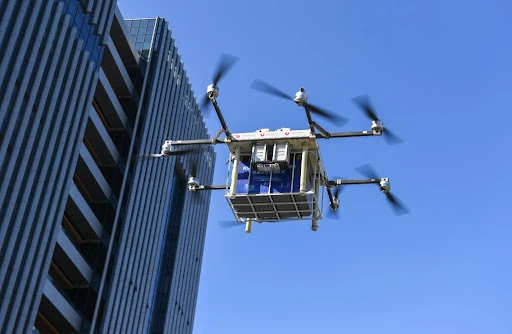
The booming "low-altitude economy" needs strong support from four types of new materials industries.
With the rise of the low-altitude economy, low-altitude aircraft have become one of the key technologies driving development in this field. As a cornerstone for the research and manufacturing of low-altitude aircraft, chemical new materials directly affect the safety, economy, and environmental friendliness of these vehicles. The application of chemical new materials in low-altitude aircraft mainly focuses on:
Lightweight materials: Such as high-strength carbon fiber, which is used to reduce the overall weight of the aircraft and improve the mechanical strength and range of the outer shell.
Energy storage materials: High-energy-density lithium-ion batteries and innovative battery technologies currently under development, which provide power for electric aircraft.
Environmentally adaptive materials: Such as polyimide, which are corrosion-resistant and temperature-resistant materials that ensure the stability of the aircraft in complex environments.
Smart/communication materials: Such as piezoelectric ceramics and polytetrafluoroethylene (PTFE), which are used for intelligent control of the aircraft and to enhance the performance of communication systems.
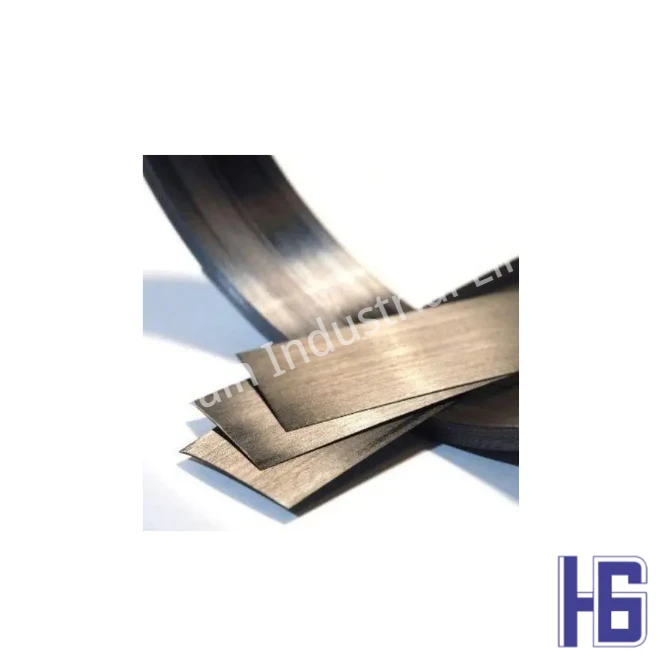
The technology level of high-performance carbon fiber and composite materials still requires significant development to narrow the gap.
As of the end of 2023, there are approximately 30 globally significant carbon fiber manufacturing companies, among which 9 have a production capacity exceeding 10,000 tons. Of these, 5 are overseas companies, while Chinese enterprises account for the remaining 4. In 2023, China's total carbon fiber production was about 55,000 tons, representing a growth of 14.8% compared to the previous year. Meanwhile, imports amounted to around 16,000 tons, showing a significant decrease of 45.4% compared to the same period last year.
Chinese carbon fiber manufacturers have rapidly increased their production capacity in recent years and are now ranked among the top producers. For example, Jilin Chemical Fiber and Zhongfu Shenying have production capacities that rank second and third, respectively. However, the industry overall suffers from a serious lack of high-end products, high costs in the mid-range segment, and an oversupply of low-end capacity. Most products are concentrated in the T300 and T700 grades, while there is a noticeable deficiency in high-performance products at the T800 grade and above. There are still gaps in product consistency, batch stability, and application process quality compared to leading global enterprises.
In terms of key auxiliary materials and equipment, China also faces certain gaps. The range of high-quality oils, sizing agents, and other supporting materials is relatively limited, and the performance of epoxy resins used in composites has not yet reached optimal levels, hindering full self-supply. Some key material types still rely on imports, which restricts further enhancement of the performance of Chinese carbon fiber composites and the expansion of their application scope. The development of continuous carbon fiber thermoplastic composites lags significantly behind that of foreign countries. Zhishang New Materials is one of the few companies capable of achieving mass production independently. It is hoped that more companies will emerge to elevate the technological level and scale of the domestic carbon fiber industry to new heights.