Ultra-light woven materials are reinventing the fabrication of space-grade components, allowing more effective, long-lasting, and economical spacecraft-an exciting development for the aerospace industry. These materials are leading the way in a new wave of innovation that might lower launch costs, lighten spacecraft weight, and lengthen the lifespan of satellites and space exploration vehicles.
The Development of Extremely Light Woven Materials
Historically, metal alloys, composites, and ceramic-based materials have been used in the production of space-grade components because they are resistant to the extreme conditions found in space. These materials, however, have the potential to be costly, heavy, and prone to thermal expansion and contraction. The newest, ultra-light woven textiles, on the other hand, are composed of high-performance polymers, carbon, and Kevlar. These materials are lightweight and have exceptional tensile strength-a crucial combination for aircraft design.
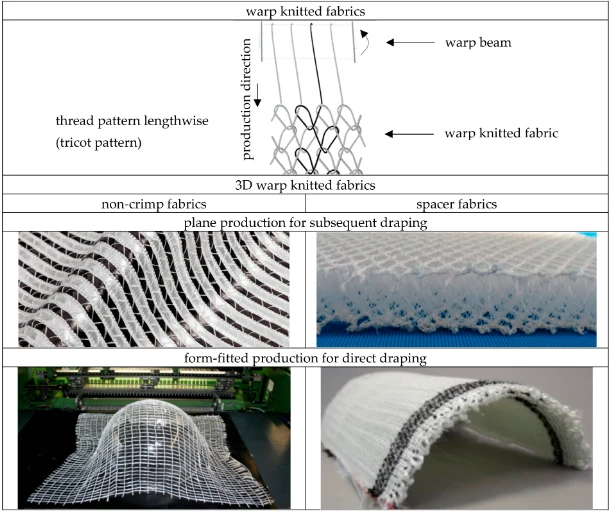
These materials are very adaptable in addition to being long-lasting. To satisfy the particular needs of different components, such solar panels, satellite antennas, and spaceship body panels, engineers may weave them into precise patterns. These fabrics' flexibility enables engineers to create complex structures that were either impractical or unaffordable to build in the past.
Ultra-light Fabrics' Advantages in Space
The capacity of using woven textiles to lower a spacecraft's total weight is one of its main advantages. The cost of launching each kilogram of cargo into orbit is thousands of dollars. Businesses may drastically reduce these expenses by substituting ultra-light woven textiles for conventional metal components, opening up more room for commercial, governmental, and scientific uses.
These textiles are also very resilient, withstanding high temperatures, cosmic radiation, and micrometeoroid impacts. Because of their durability, parts endure longer and need less repairs and replacements less often. As a result, these materials enable the long-term operation of satellites and space probes, allowing them to gather more data over time without requiring expensive maintenance flights.
Changing the Space Sector
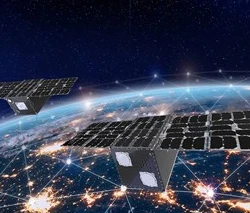
The promise of ultra-light woven materials is being recognized by both commercial firms and space organizations. These materials are already being used by NASA in a number of initiatives, such as the Artemis program, which intends to send people back to the Moon and establish a long-term presence there. These materials are also being investigated by private businesses like SpaceX and Blue Origin in an effort to improve the efficiency of their rockets and spacecraft.
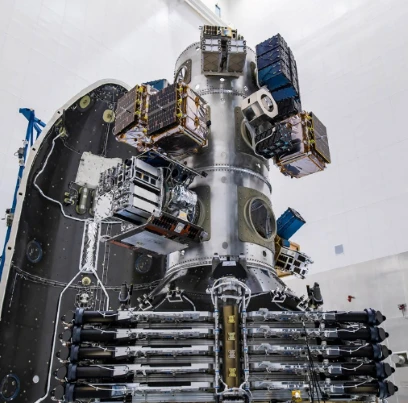
These materials have benefits that go beyond those of conventional spacecraft. Ultra-light woven materials are now being considered by engineers for use in spacesuits, expandable modules, and habitats. Because of these textiles' versatility, there are many options for creating sturdy, lightweight structures.
A Novel Approach to Space Technology
Ultra-light woven materials, as the aerospace industry continues to innovate, are a significant development. These materials have the potential to revolutionize space exploration by improving its affordability, sustainability, and effectiveness due to their lightweight design, remarkable strength, and durability. Ultra-light textiles have the potential to become a standard in space-grade component fabrication with further study and development, opening the door to a new age of extraterrestrial exploration.
Space-grade component technology is undergoing a transformation, and innovation is at its core.