On December 25, the James Webb Space Telescope (JWST)-a monumental collaboration between NASA, ESA, and CSA-successfully launched from Kourou, French Guiana. This milestone caps a decade of rigorous testing and refinement, positioning humanity's most complex and powerful space observatory to peer deeper into the cosmos than its predecessor, the Hubble Space Telescope (launched in 1990).
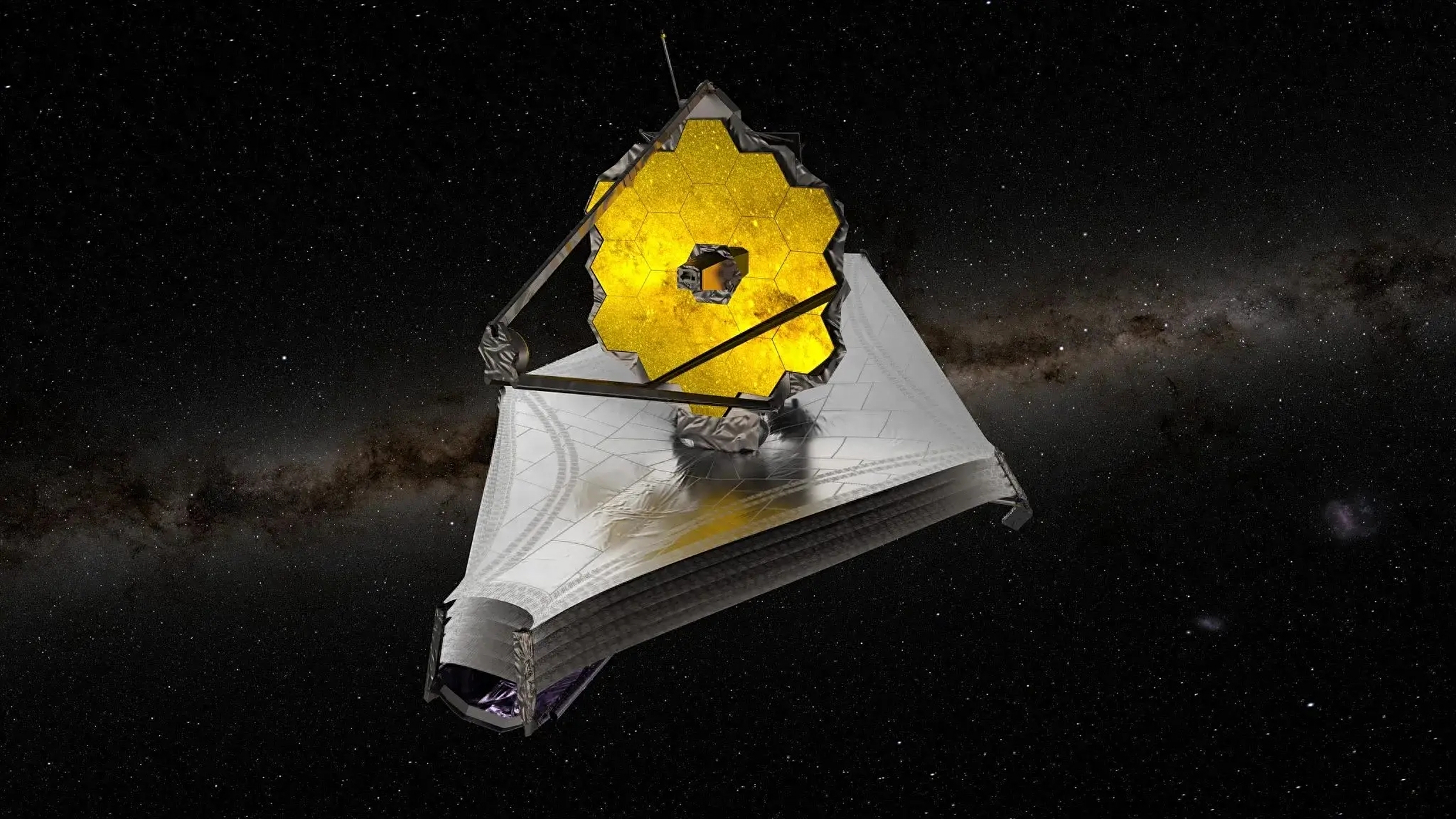
At the heart of JWST's revolutionary design are advanced composites developed by Toray Advanced Composites (TAC). Partnering with Northrop Grumman Aerospace Systems, TAC leveraged decades of aerospace engineering expertise to supply high-performance composite materials for critical components, including the optical telescope structure, integrated science instrument module, and spacecraft bus. These materials were chosen for their unmatched reliability in extreme space environments.
TAC's composites portfolio now features another historic achievement, joining iconic projects like the Mars Perseverance rover, Ingenuity helicopter, and Kepler Space Telescope. For JWST, the company provided its high-modulus carbon fiber-reinforced cyanate ester prepreg systems. These materials deliver precise strength-to-stiffness ratios while remaining exceptionally lightweight-a prerequisite for surviving the telescope's journey to the Lagrange Point and enduring temperature swings from -240°C to +120°C.
Engineered to unfold its 6.5-meter primary mirror in deep space, JWST's composite-heavy design ensures dimensional stability at levels impossible with traditional metals. This technological leap will enable unprecedented observations of early galaxy formation and exoplanet atmospheres, rewriting textbooks for decades to come.